
Pneumonia of Unknown Aetiology
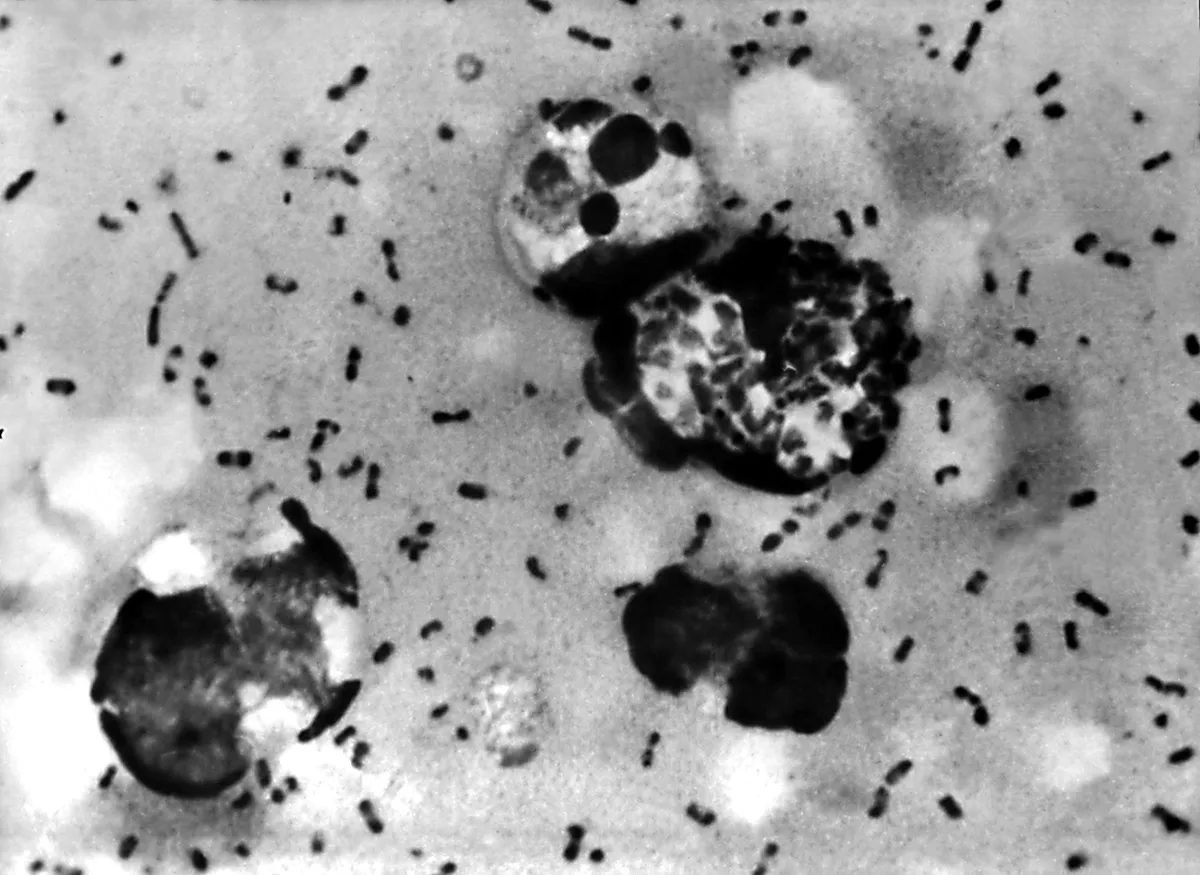
A bubonic plague smear, prepared from a lymph removed from an adenopathic lymph node, or bubo, of a plague patient. Source: Newsweek.
On October 4, a State Department spokesperson told RFE/RL that the United States was “aware of reports of a fatal case of suspected pneumonic plague” in Russia’s Irkutsk Oblast. The careful wording says less about what Washington knows than about what it wants from Moscow: an accurate and detailed account of what happened.
The known facts are thin. Darya Shipilova, a 28-year-old technician at the Irkutsk Anti-Plague Institute, died days after a reported incident involving a broken test tube containing a plague bacterium. Officials have not confirmed that account or the cause. Russia’s consumer watchdog, Rospotrebnadzor, has said only that the employee was diagnosed with “pneumonia of unknown aetiology.” Nearly 200 people have reportedly been placed under medical observation, and sources told RFE/RL that more than sixty institute staff have been confined to the facility since October 2.
The gap in concrete information explains the current coverage of the incident. Reports of the events have leaned on the word plague, in part because the governor of neighboring Buryatia suggested publicly that the woman may have died from the disease, and the institute she worked for exists to study plague. However, quarantines and monitoring do not establish that she had plague or that an outbreak has occurred. Outlets appear to be filling a gap Russian officials have left open, and the US request for information responds to the same gap.
Washington has a documented basis to be skeptical of biological information from Russia. In an April 2025 compliance report, the State Department assessed that Russia maintains an offensive biological weapons program in violation of the Biological Weapons Convention. That assessment colors how Washington may treat this lab incident differently than it would elsewhere. Russia offers a different explanation. Plague bacteria are usually found in small mammals and their fleas, which gives combative research on the disease a public health purpose, and Russian officials have described the situation in the region as stable. Authorities in the region have also opened a criminal investigation into safety failures, which supports an interpretation of the episode as a biosafety lapse rather than evidence of a weapons program.
Now, the response options are limited. No direct commercial flights connect the United States and Russia, and Washington has not announced any new travel restrictions, even as some US political figures are calling for sweeping ones.
What remains in this scenario is persuasion. Whatever Russia announces next will have to be interpreted through the Biological Weapons Convention dispute. A clear, verifiable explanation could ease that suspicion, while continued ambiguity will likely deepen it. Either way, the request for information tests Moscow’s credibility as much as it addresses a public health question.