Monday revealed that a ceasefire in the Middle East has a named structural flaw. Iran insists it covers Lebanon; Israel and the United States have consistently held that the pause applies only to direct U.S.-Iran hostilities. Until that disagreement is resolved, the negotiations will remain hostage to every Israeli airstrike in Beirut, and Tehran's willingness to exploit each one.
Read MoreEight months into a campaign that has killed 205 people in international waters without a single public identification of the dead, the gap between procedural and legal accountability remains the defining unresolved question.
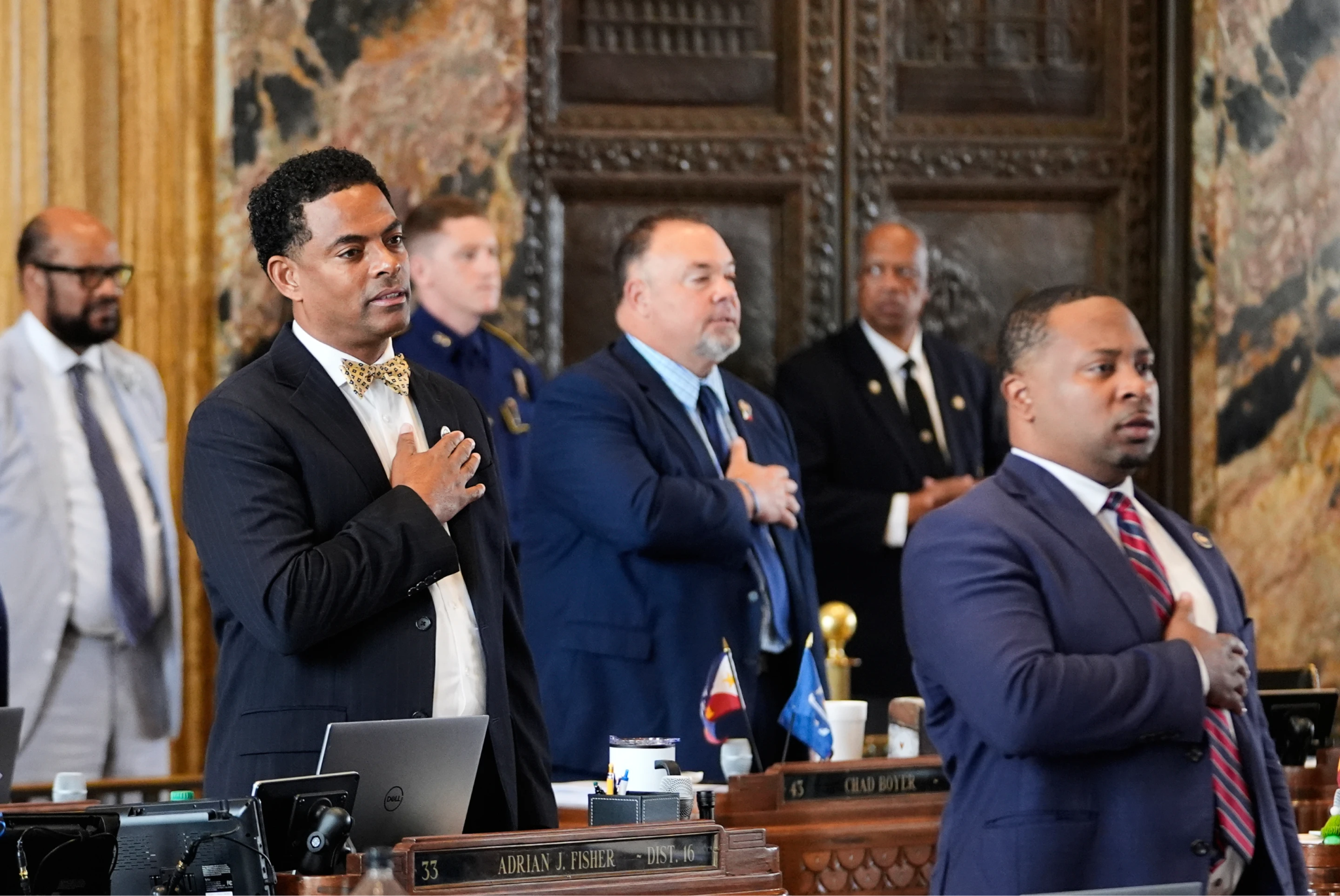
Read MoreThe Louisiana map is not an isolated event. Tennessee has eliminated its sole Democratic-held seat in Memphis, and governors in Georgia and Mississippi have announced plans to redraw their maps ahead of or after the midterms. Taken together, these developments suggest that Callais has accelerated a regional redistricting shift with tangible implications for House control in November. Whether that shift constitutes a coordinated effort to suppress minority representation or a legitimate correction of race-conscious line-drawing depends almost entirely on which legal framework one applies to the underlying facts.
Read MoreThe U.S. move has aligned Washington squarely with Tel Aviv at a moment when European allies seem to be heading in the opposite direction. What the flotilla incident illustrates is the fragmentation of the Western bloc over Gaza. Allied governments that once deferred to American cues are increasingly unwilling to do so, and symbolic pressure campaigns, like the flotilla, are proving capable of exposing those differences in real time.
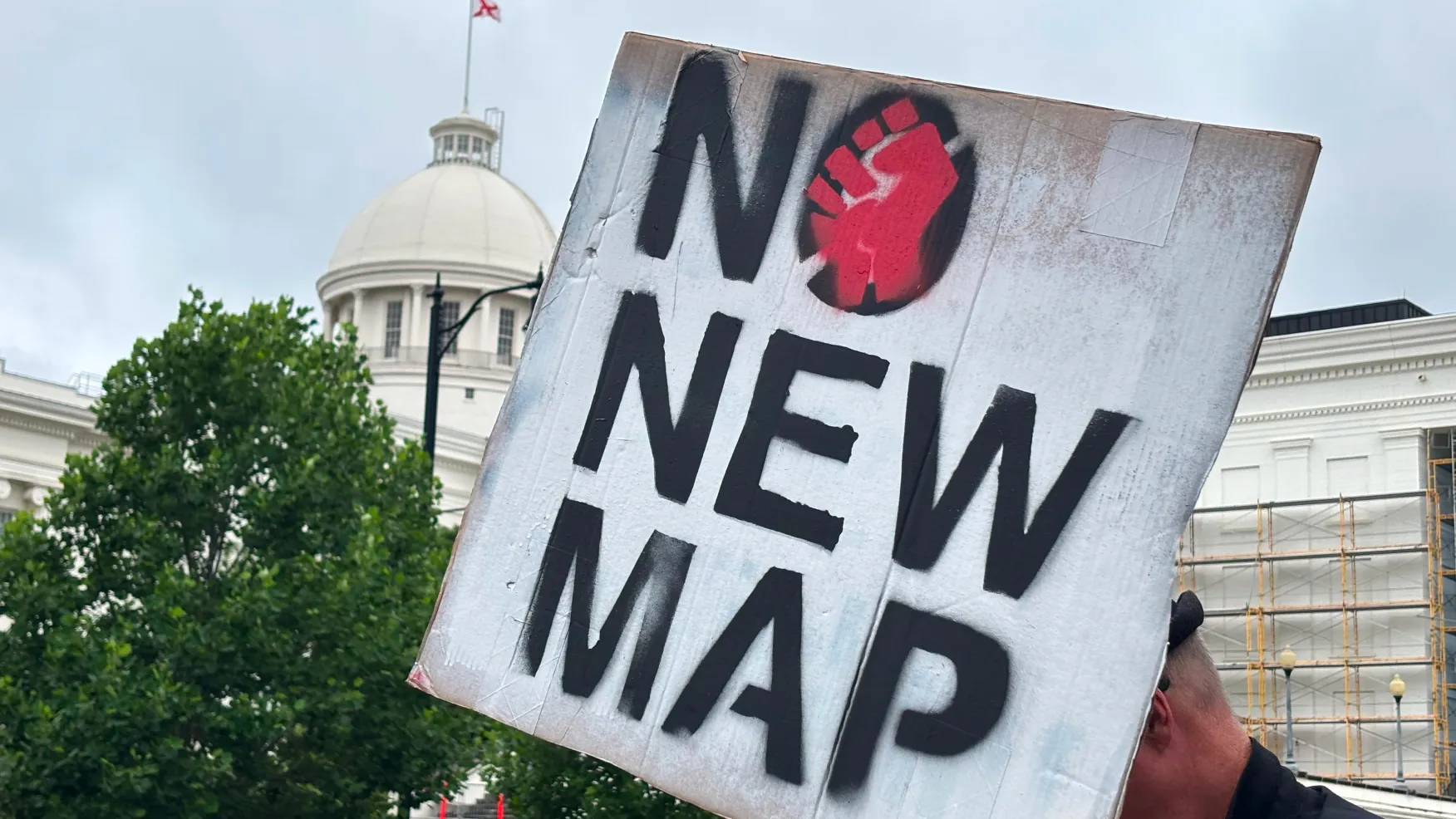
Read MoreTuesday's ruling reveals is not that the courts have settled the redistricting wars; they haven’t, but that Callais' reach is still being negotiated in real time. Whether the Supreme Court views its own remand as implicitly licensing maps it has previously called discriminatory will define not just Alabama's congressional map, but the outer limits of what post-Callais redistricting can look like across the South.
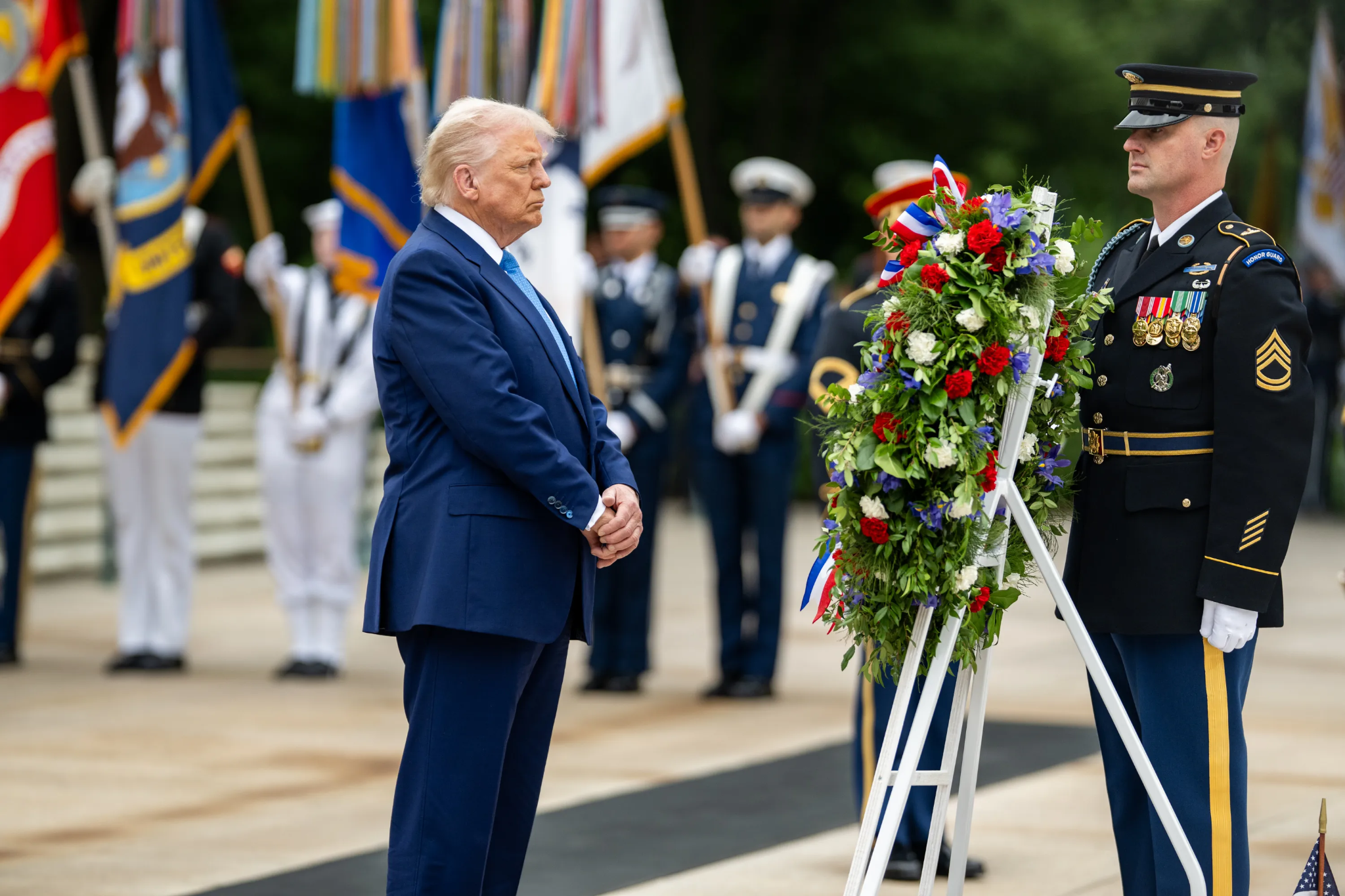
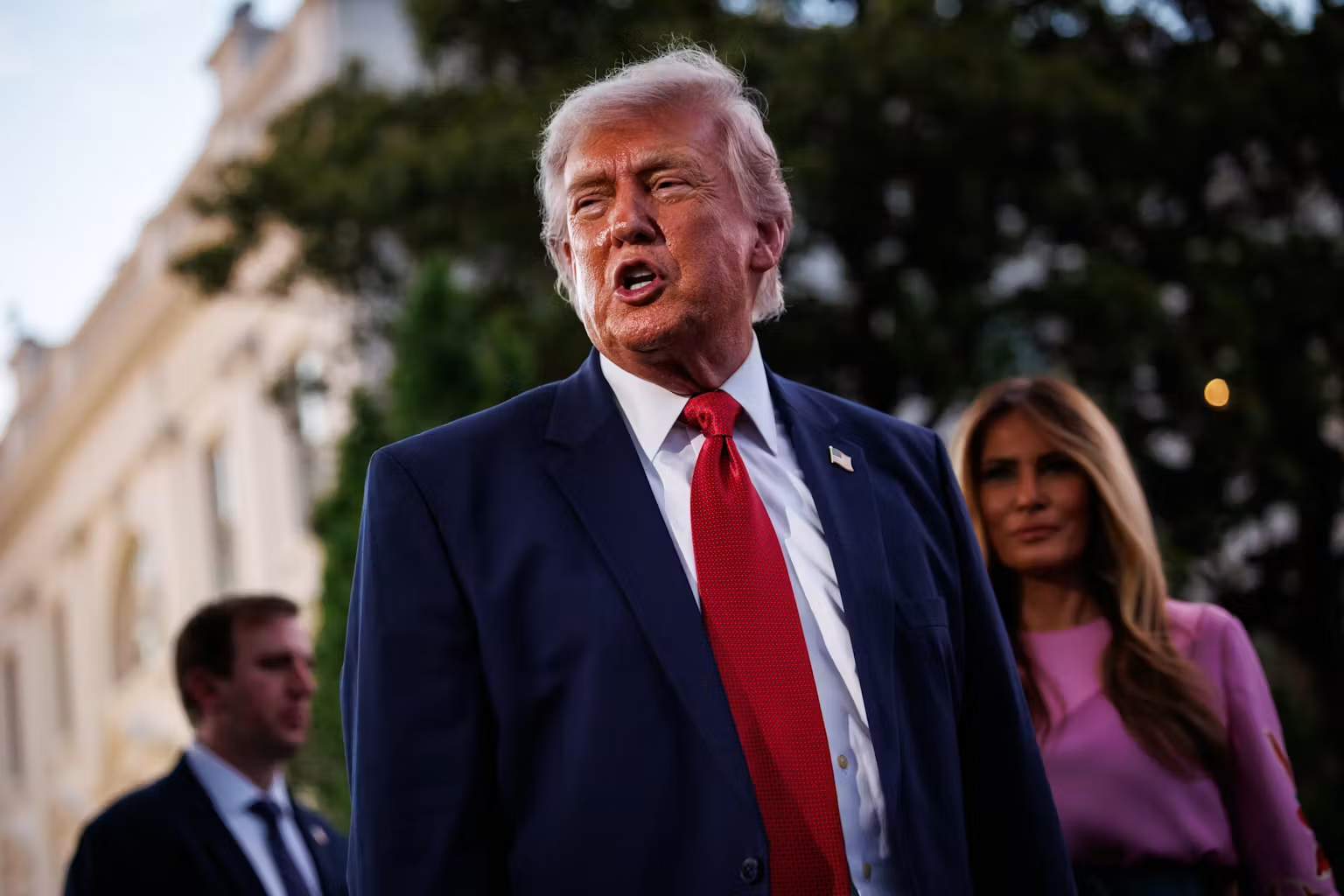
Read MoreThe ceremony, nominally a day of nonpartisan mourning, became a vehicle for litigating whether the war's costs were worth it. That question will only sharpen as fall approaches. With the midterms drawing closer and a deal still unfinished, the 13 names Trump invoked at Arlington are now political as much as they are personal, a ledger that neither side of the Iran debate can afford to ignore.
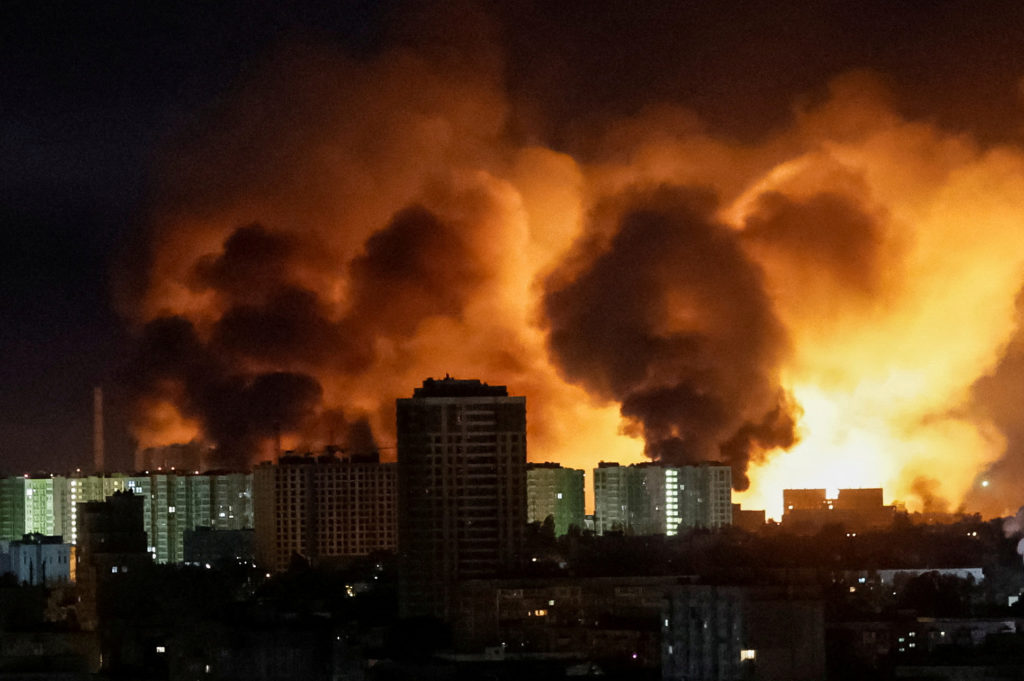
Read MoreThe usage of this weapon was a nuclear delivery system deployed in a conventional war, on a civilian capital, to signal displeasure. It can be implied that Russia is not using it because it is the most accurate or effective tool available; it is using it because it carries an implicit threat that conventional munitions do not. The launch of a missile of this caliber by Moscow is a reminder that Russia has a nuclear arsenal and is willing to blur the line between conventional and nuclear warfare when it sees fit.
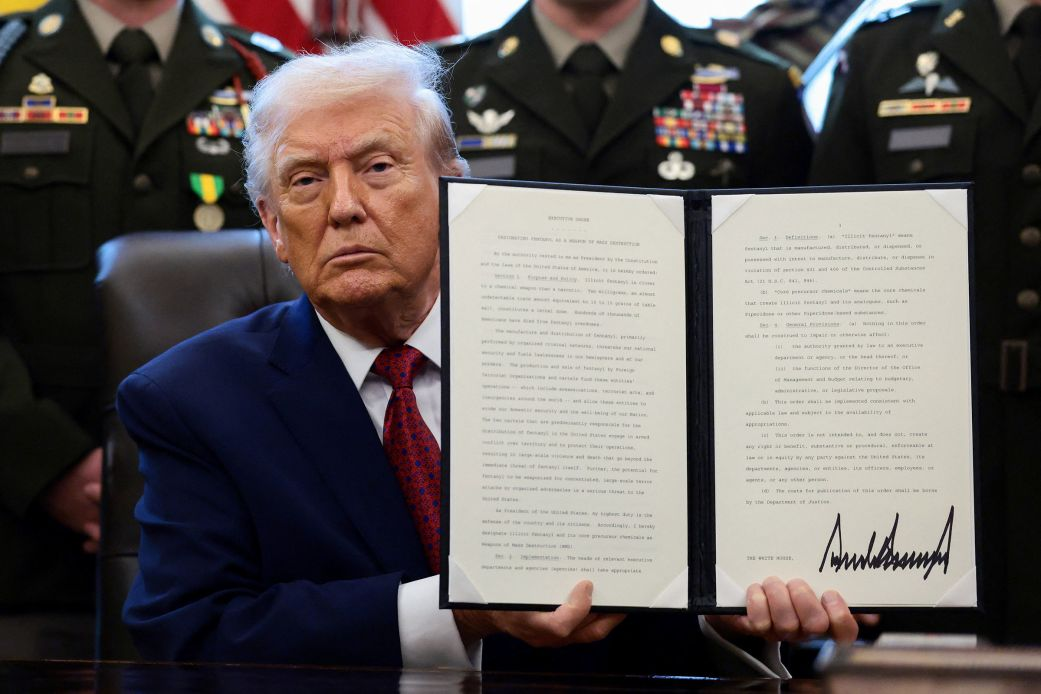
Read MoreQuietly added in a hyperlink to the DOJ’s original press release, the settlement states the government is “FOREVER BARRED and PRECLUDED” from bringing claims against Trump, his family, or his businesses for any tax issues up to the date of the agreement, including matters in previously filed returns. A sitting president, suing an agency he controls, settled with himself and walked away immune.
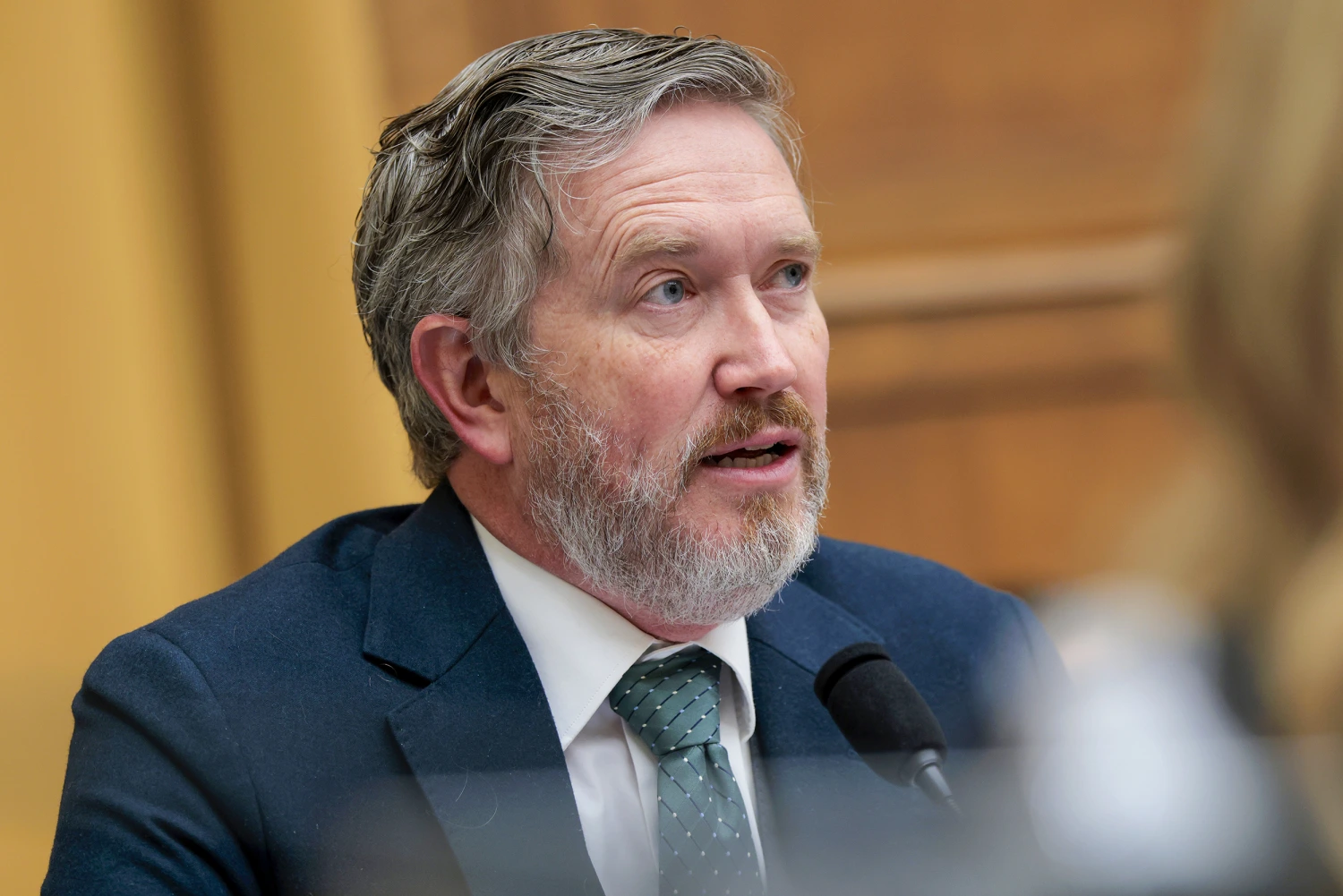
Read MoreWhat makes this outcome striking is not the fact that Trump played a heavy hand in ousting what he views as a dissenter, but instead the margin of loss for Massie and the money. Thirty-two million dollars to remove one libertarian-leaning congressman from a ruby-red district is a message being broadcast to every Republican in Washington.
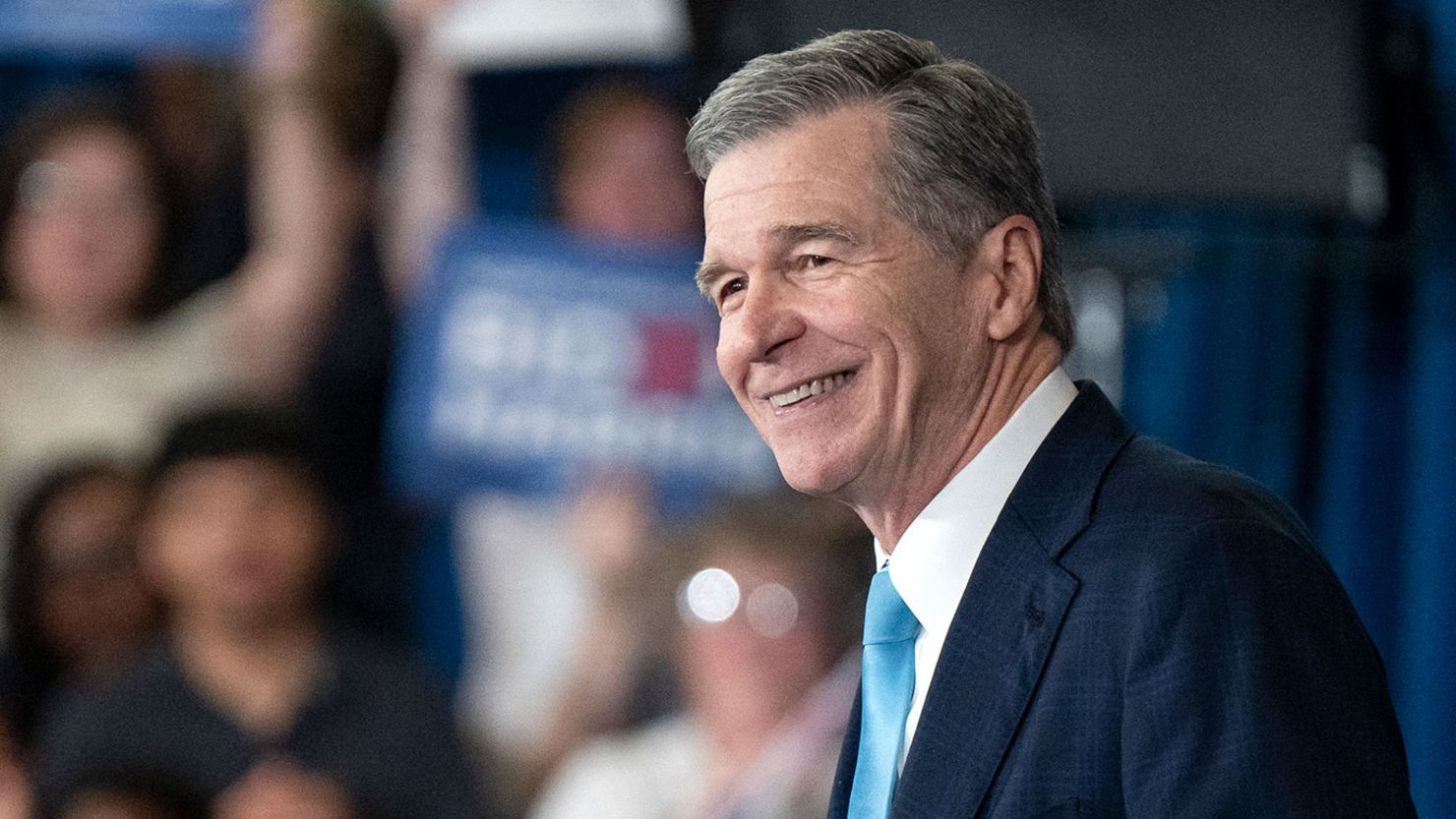
Read MoreIn North Carolina, former Democratic Governor Roy Cooper is seen as a strong recruit against Michael Whatley, a less well-known former state party chair. What's driving all of it is less ideology than exhaustion. For the first time since 2010, Democrats are more trusted than Republicans to handle the economy. Whether Democrats can convert that sentiment into Senate seats, or just a House majority, will define what the next two years actually look like.
Read MoreThe peace framework between Trump and Zelensky, reportedly 90 to 95 percent complete, remains stalled. Russia has little incentive to close the gap while American commitment wavers. Day 1,530 looks a lot like day 1,000: grinding, costly, and unresolved, which, from Putin's perspective, is close enough to winning.
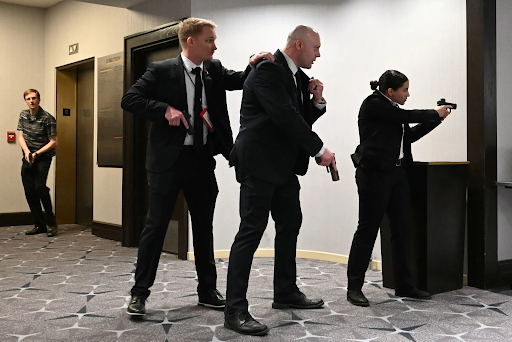
Read MoreThe irony is sharp: the president who spent years boycotting the dinner as a symbol of media hostility finally showed up, only to be rushed out as 2,600 attendees dove under tables. Whatever rapprochement the evening was meant to signal was drowned in the chaos. Trump has since called for the dinner to be rescheduled with tighter security, a reasonable ask, but it doesn't explain why the security wasn't tighter the first time around, given that this was the most consequential gathering of the American government in a single room all year. The dinner was always more theater than diplomacy. Saturday proved it can be a target, too.
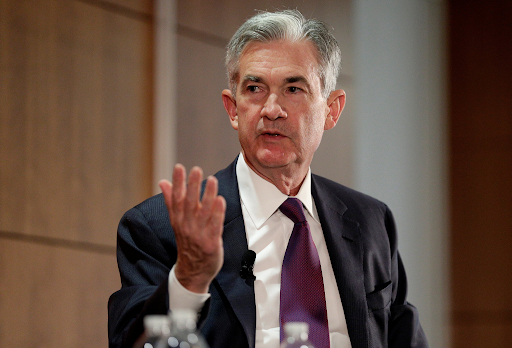
Read MoreRemove the investigation, unlock the nomination. It's transactional governance with the central bank as the bargaining chip. Pirro's announcement warned she would “not hesitate to restart a criminal investigation should the facts warrant doing so,” a line that reads less like legal prudence and more like a standing threat. Sen. Elizabeth Warren put it plainly: the only reason the probe ended was to install Trump's preferred Fed chair. She's not wrong. The investigation was leveraged, and now that it's served its purpose, it's gone. What remains is a Fed whose independence has been visibly — and deliberately — tested.
Read MoreThe ruling is a procedural win masquerading as a policy one. Texas can now enforce SB4, but the constitutional question remains wide open, meaning the Supreme Court will almost certainly have the final word. What Friday's decision actually accomplished is accelerating that reckoning. Immigration enforcement has always been a federal prerogative, and a state law that allows local judges to issue deportation orders will eventually collide with that 150-year precedent head-on. Texas may have won the battle over standing. Whether it survives the merits is another matter entirely.
Read MoreThe pattern that loyalty to the chain of command matters more than competence, and the chain runs through Hegseth. What's notable here is that the instability isn't occurring in peacetime. The U.S. is actively running a naval blockade during a fragile ceasefire with Iran, and the civilian head of the Navy just learned he was fired from a post on X. This is a signal that the administration views wartime operations as no constraint at all on internal power consolidation. Whether Hung Cao can provide stability or simply serves as a more compliant placeholder is the question the Navy now has to answer while managing one of the most strategically sensitive waterways on earth.
Read MoreThe fact that Republican senators with medical degrees are openly skeptical of their own party's HHS secretary is not a minor detail. Kennedy touted drug price negotiations, dietary guideline updates, and rural health investments as proof of progress. Plausible. But seven hearings in seven days produced no meaningful commitments, no accountability on measles, and no clarity on HHS's direction. The performance was polished. The answers were not.
Read MoreThe Chavez-DeRemer saga reveals something important about the internal dysfunction of Trump's second Cabinet. The administration is losing officials not to policy fights or ideological breaks, but to personal scandals that metastasize within their own agencies. That's a management problem, not just a personnel one, and with the inspector general's probe reportedly nearly complete at the time of her exit, the story may not be over yet.
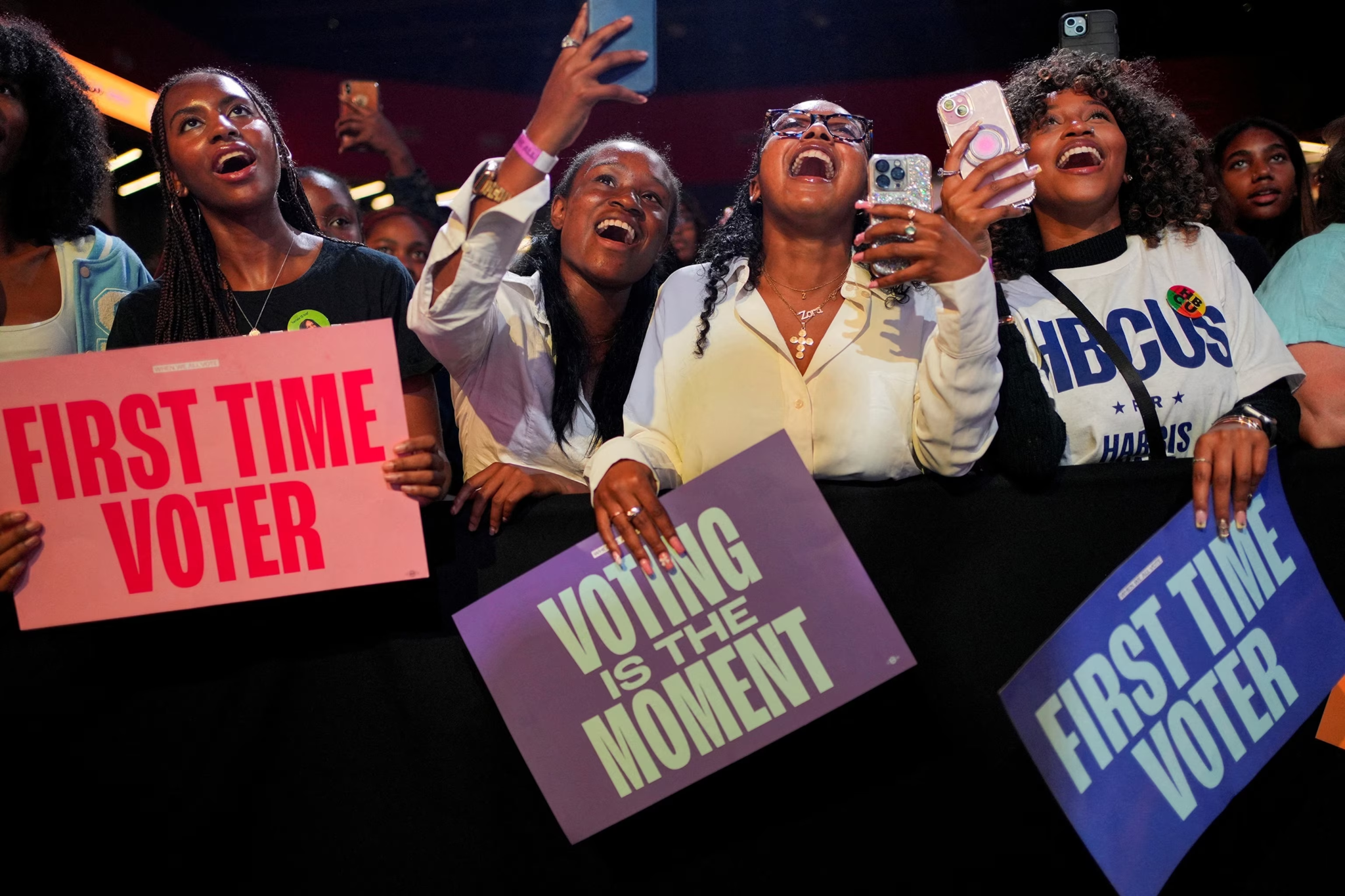
Read MoreWith Republicans holding a narrow 218–213 House majority, a handful of redrawn Virginia seats could determine control of Congress. A recent poll gives supporters a slim 53–47 edge, and the result is expected to be close. Legal challenges loom regardless of the outcome and the Virginia Supreme Court has already signaled it will weigh in after votes are counted. Whatever voters decide today, the precedent is the real story: mid-decade redistricting is now a weapon both parties are willing to use.
Read MoreThe Touska incident lays bare the structural contradiction at the heart of this ceasefire: both sides are enforcing blockades they consider legitimate while accusing the other of violations. That's not a misunderstanding – it is two incompatible definitions of the deal sharing the same body of water. With the strait functionally closed, a Wednesday deadline approaching, and Iran promising retaliation, only time will tell whether this is a negotiating tactic or the prelude to something considerably worse.
Read MoreThe strait, through which roughly one-fifth of the world's oil normally passes, has become perhaps Iran's most powerful weapon in the conflict. Oil prices plunged after Iran's initial reopening announcement, with Brent crude falling over 9% to settle at $90.38 per barrel. French President Emmanuel Macron and British Prime Minister Keir Starmer called for the “unconditional, unrestricted, and immediate re-opening” of the strait, as Pakistan continues efforts to broker a second round of negotiations early next week.
Read More