
No Deal
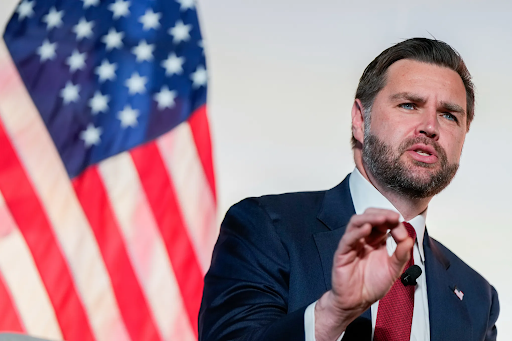
U.S. Vice President J.D. Vance. Source: The Seattle Times.
After 21 hours of face-to-face negotiations between United States Vice President JD Vance and Iranian officials, the US delegation walked out on Saturday night with nothing. This was the highest-level U.S.-Iran meeting in 47 years. “The bad news is that we have not reached an agreement,” Vance told reporters. “And I think that's bad news for Iran much more than it's bad news for the United States of America.” The sticking point was nuclear weapons. Vance said the U.S. needs a firm, long-term commitment that Iran will not seek to develop a nuclear weapon, not just now, not just in two years, but permanently. “We haven't seen that yet,” Vance said. “We hope that we will.” Iran, for its part, has watched the U.S. bomb its enrichment facilities and is now being asked to formally surrender its nuclear ambitions in exchange for a ceasefire it didn't ask for. The delegation was a notable one. Vance was joined by special envoy Steve Witkoff and Jared Kushner, the same team that has led negotiations on Gaza and Ukraine. Pakistan served as mediator, with its government hosting what both sides described as good-faith engagement. It wasn't enough. There is a structural problem here that no amount of negotiating can easily solve. The U.S. wants a permanent commitment. Iran wants to survive. Those two goals are not obviously compatible, and 21 hours in a room in Islamabad was never going to bridge that gap on its own. As of today, U.S. warships are setting conditions to reopen the Strait of Hormuz, and the two-week ceasefire Trump agreed to on Tuesday remains technically in place — but it won't hold indefinitely without a deal. The clock is running again.