
No Evidence, No Problem
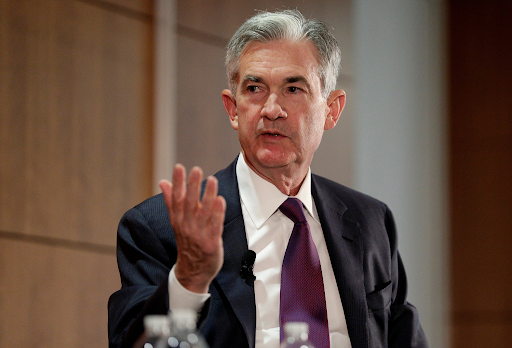
Chair of the Federal Reserve of the United States Jerome Powell. Source: WSJ.
On Friday, the Justice Department dropped its criminal investigation into Federal Reserve Chair Jerome Powell, referring the matter to the Fed's own Inspector General over alleged cost overruns at the central bank's Washington headquarters renovation. The move was framed as procedural. It seemingly was anything but. The DOJ launched the probe in January, after Trump spent months publicly attacking Powell for not lowering interest rates fast enough. A federal prosecutor told a judge last month that his office had found no evidence of any crimes, yet Jeanine Pirro, the U.S. Attorney for D.C., pressed forward anyway. The timing of the drop makes the political logic explicit. Sen. Thom Tillis, a North Carolina Republican on the Senate Banking Committee, had placed an effective hold on Kevin Warsh's confirmation as Fed chair unless the Powell probe was dropped. Remove the investigation, unlock the nomination. It's transactional governance with the central bank as the bargaining chip. Pirro's announcement warned she would “not hesitate to restart a criminal investigation should the facts warrant doing so,” a line that reads less like legal prudence and more like a standing threat. Sen. Elizabeth Warren put it plainly: the only reason the probe ended was to install Trump's preferred Fed chair. She's not wrong. The investigation was leveraged, and now that it's served its purpose, it's gone. What remains is a Fed whose independence has been visibly — and deliberately — tested.