
Other Fake News Media Outlets to Follow
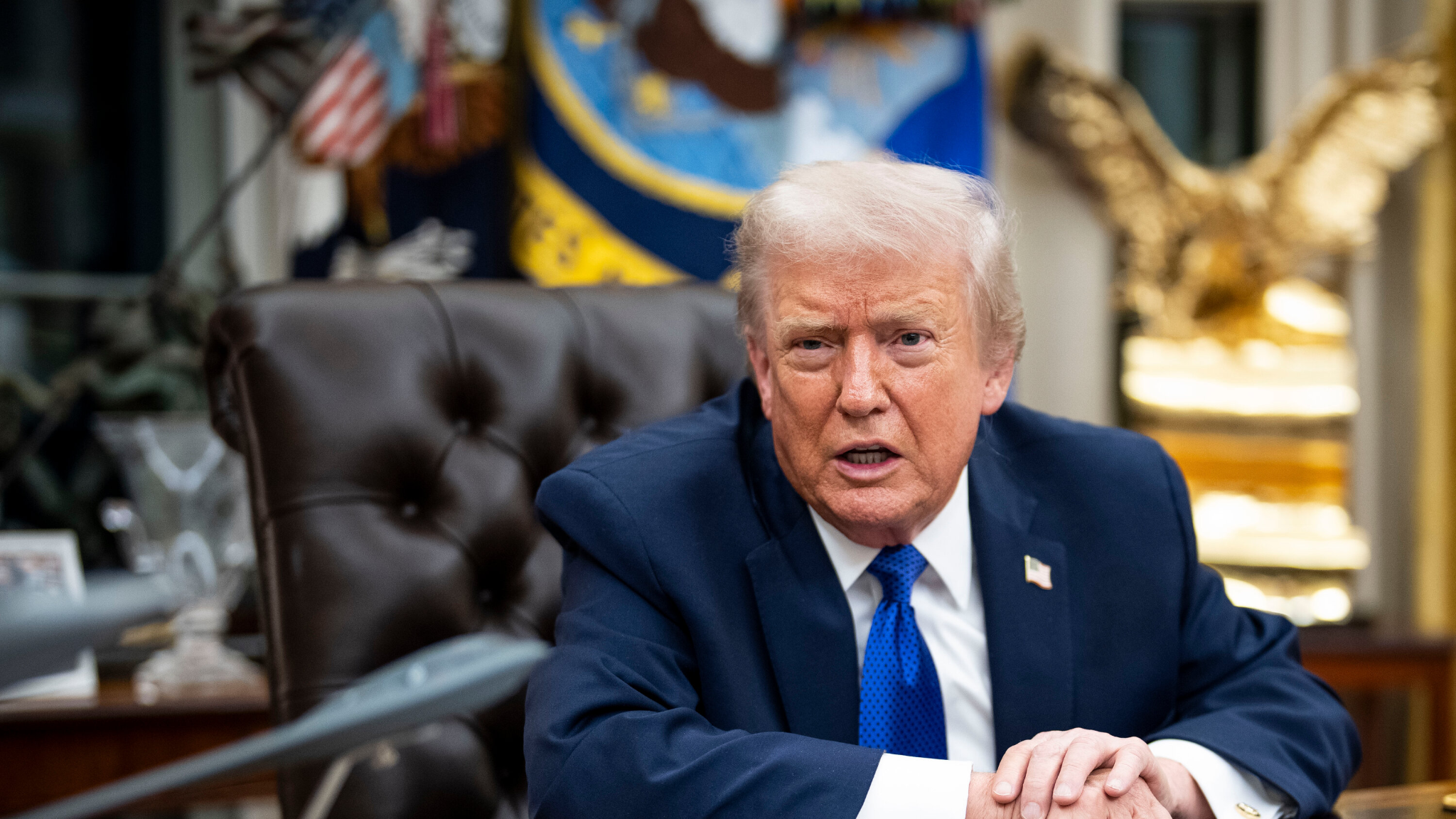
President Trump speaking to reporters from The New York Times. Source: The New York Times.
Three of the White House press corps’ longest-standing outlets have been banned from White House grounds. On September 18, President Trump announced via Truth Social that he was banning CNN, MS NOW, and Politico from the White House “effective immediately,” citing what he called their pattern of reporting “FICTION and LIES.” By Saturday morning, the ban was carried out, with reporters from all three outlets being turned away at the gates and having their press badges confiscated by the Secret Service. On Sunday, the three outlets all sued the Trump administration on First Amendment grounds.
The White House has not identified a specific story that triggered the move. President Trump told reporters in the Oval Office that the decision reflected “cumulative stories over the last few years” rather than any single report. The legal question sits at the distinction drawn by the D.C. Circuit that once the White House opens general press facilities to journalists, it cannot deny access arbitrarily, and any restriction requires due process. But that same court has also held that the President and his administration have broader discretion over access to more restricted spaces like the Oval Office or Air Force One. The ongoing Associated Press lawsuit, stemming from the “Gulf of Mexico” naming dispute, tests similar uncertainty and remains unresolved after more than a year, suggesting this fight could span weeks or even months.
This is not a first attempt to remove journalists from White House grounds. In 2018, CNN reporter Jim Acosta’s credentials were revoked, and later restored by a federal judge. This precedent shows two things—the courts have been willing to check White House press restrictions in the past, and the administration is willing to test its boundaries regardless of past losses.
The main difference this time around is the scope of the bans. Three national outlets were removed simultaneously, which raises the stakes of the legal challenge and could produce a ruling with broader implications for how much control any administration has over its own press pool going forward.