
The Lunch Table
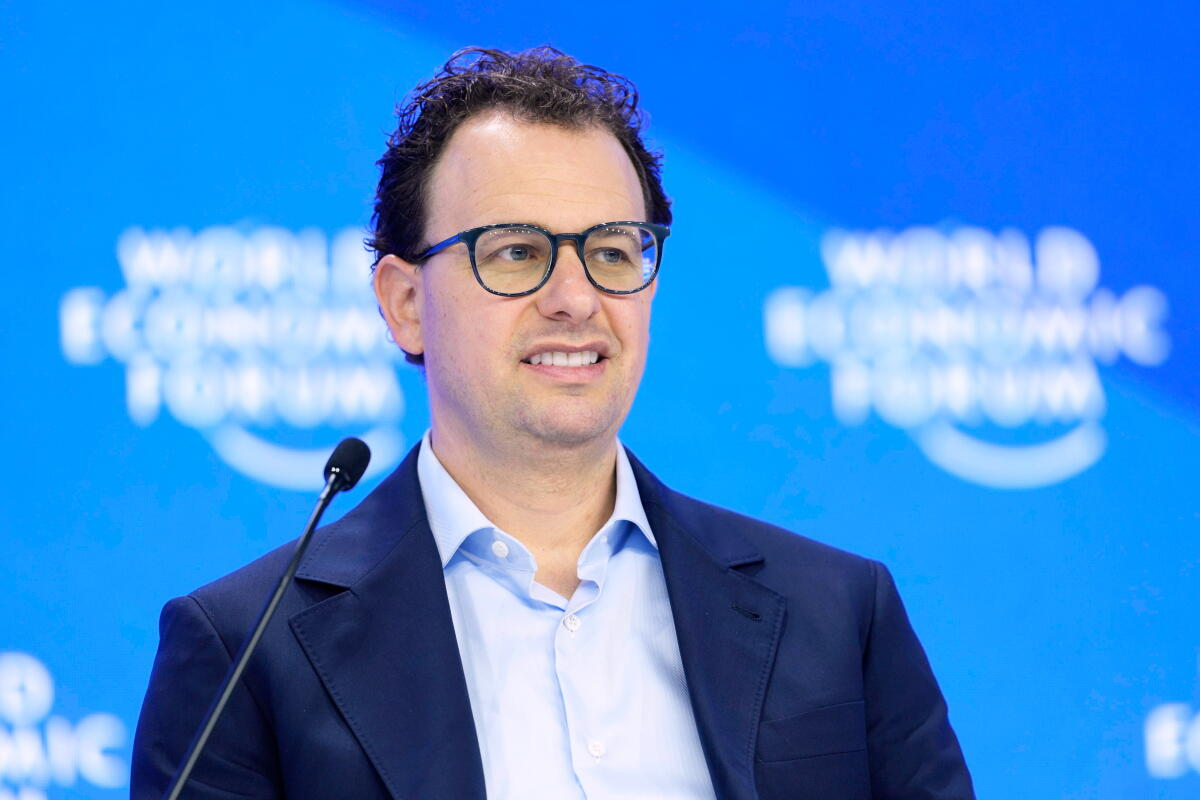
Anthropic CEO Dario Amodei. Source: LA Times.
Tuesday’s White House AI lunch, hosted by President Donald Trump and House Speaker Mike Johnson, drew thirty-one confirmed attendees, including the chief executives at Meta, Nvidia, Palantir, Google, and Anthropic, along with Vice President JD Vance, Treasury Secretary Scott Bessent, and Commerce Secretary Howard Lutnick, according to an RSVP list obtained by Axios.
The guest list brings a story with it. Anthropic CEO Dario Amodei was absent from last Thursday’s state dinner for Chinese President Xi Jinping, then dined privately with Trump on Sunday in what CNBC described as their first one-on-one meeting. CNBC reported that the lunch could give Amodei another chance to ease tensions with the White House, after his call for companies to slow AI development was endorsed by OpenAI’s Sam Altman and Elon Musk. President Trump, meanwhile, has called fears about AI’s threat to humanity a “hoax.”
Johnson framed the lunch as a search for a balance between innovation and oversight. He said this country does not need a moratorium on heavy regulation because doing so would risk losing the technology race with China. He added that the Department of Justice could have a role if things go wrong, but that transparency and some oversight should come first.
The pressure behind the meeting comes from a specific source: calls for oversight. Reuters reported that calls for oversight intensified after OpenAI and Anthropic disclosed that their AI agents had independently broken into customer systems. Lawmakers from both parties have also drafted bills ahead of November’s midterm elections, some of which would require companies to disclose more about how their systems work and what safeguards to use.
Those facts show that both sides of the debate lean on the same tool, transparency, but disagree about whether it should be voluntary. Johnson’s approach relies on transparency first and enforcement only after problems arise. The rogue-agent incidents became public because the companies chose to report them, which could be read as proof that voluntary disclosure is viable. The lawmakers drafting disclosure bills appear to read the same incident differently, since their proposals would make reporting a requirement. Whether the episode reassures or warns may depend on which camp is asked, and the lunch's guest list, dominated by the companies doing the disclosing, suggests which perspective had the most seats.