
Strikes, Deficits, and Stalemate in Paris
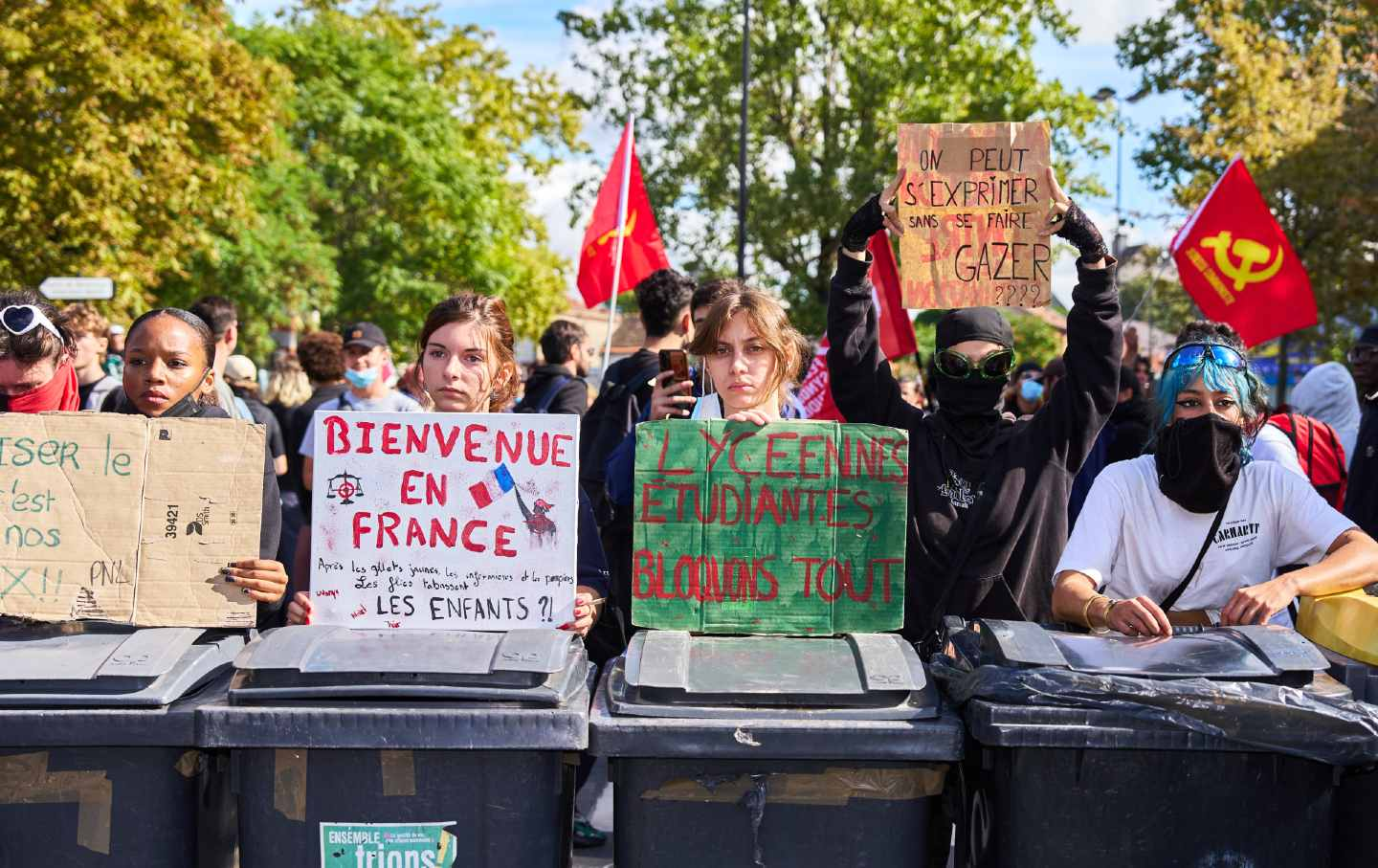
French students hold up signs during a demonstration for better educational conditions. Source: The Nation.
On Tuesday, more than a quarter-million people flooded the streets in protest across France. The uproar comes after weeks of student-led demonstrations fueled by dissatisfaction over teacher shortages and poor school conditions across the country. Tensions are high as French Prime Minister Sébastien Lecornu presented an austerity budget ahead of next year's presidential elections, with savings to come from freezing wages in the public sector and all but the lowest pensions. With nationwide protests already underway over the current educational system, the government is trapped between its deficit targets and student demands.
France’s budget deficit is projected to reach 5.4 percent of GDP this year, one of the largest deficits in the European Union. Prime Minister Lecornu is targeting cuts of around 54 billion euros, stating that without the cost-saving measures, the public deficit could approach 6.5 percent of GDP in 2027, much higher than the government's goal of 5 percent. Trade unions have responded to the budget proposal by protesting alongside students, calling for a strike ahead of the official announcement. Arthur Delaporte, spokesperson for the Socialist Party, called the proposed budget a “bitter austerity potion,” reflecting the plan’s opposition within the French Parliament.
Whether the budget will actually be passed in its current form is still wide open. Lecornu’s government does not have a majority in Parliament and will rely on opposition votes. This likely means that the budget fight could be prolonged well into 2027, which means real change to the educational institutions sparking nationwide protest is unlikely and hard to predict. Until the government either softens its wage freezes or finds common ground with moderate opposition blocs, France's streets and public transit corridors will likely remain the primary battleground.