
The Blockade of Iran
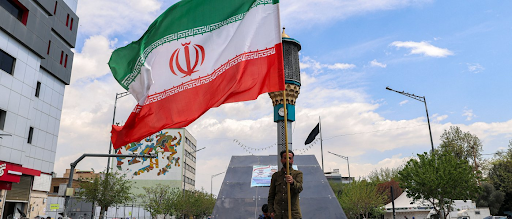
Iranian man holding the flag of Iran. Source: CSIS.
Yesterday morning at 10 a.m. Eastern Time, the United States Navy began blockading all Iranian ports and coastal areas. Oil prices surged toward $100 a barrel. Iran's armed forces went to “maximum combat alert.” The ceasefire, technically, is still holding. The blockade follows the collapse of talks in Islamabad over the weekend and is one of the most significant escalations of the Iran conflict since it began in February. Trump announced the U.S. Navy would “seek and interdict every vessel in International Waters that has paid a toll to Iran,” calling Iran's practice of charging ships millions of dollars to transit the strait “world extortion.” CENTCOM clarified the blockade applies to vessels entering or departing Iranian ports, and ships traveling between non-Iranian ports may still transit the strait, but the practical effect is a near-total stranglehold on Iranian trade. The legal question is not a small one. Retired U.S. Admiral James Foggo told NPR that technically speaking, a blockade of a country's ability to export goods and services is an act of war. Iran called it “piracy,” saying its ports are “either for everyone or for no one.” Nearly 20% of the world's seaborne oil and 20% of global liquefied natural gas normally passes through the Strait of Hormuz. That traffic has been at a near-standstill since February. The blockade doesn't fix that – it doubles down on it, betting that economic strangulation will force Iran back to the table faster than bombs would. It is a significant bet. Iran has survived sanctions before. Whether it survives this depends on how long the rest of the world is willing to pay $100 a barrel to find out.