
Surveillance Under Scrutiny
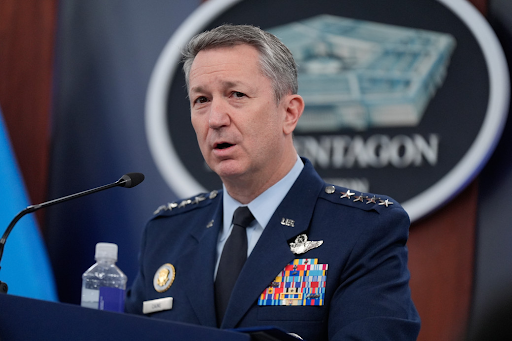
General Dan Caine advising lawmakers on the FISA extension. Source: POLITICO.
On Tuesday, House GOP leaders successfully pathed out floor consideration on Wednesday of a clean, 18-month extension of a key spy power, The Foreign Intelligence Surveillance Act (FISA). The debate over FISA has reached a fever pitch, and the newly proposed extension would proceed without the warrant requirements demanded by reformers. Originally enacted in 1978, FISA was designed to provide a legal framework for the government to collect foreign intelligence within the United States while preventing the domestic spying abuses of the past. A 2008 expansion known as Section 702 is where the tension and debate lies. Section 702 permits the intelligence community to conduct targeted surveillance of foreign persons reasonably believed to be located outside the U.S. without individual warrants. The legal question is not a small one. Critics argue that while the "target" is foreign, the surveillance inevitably results in the "incidental" collection of millions of Americans' emails and phone calls. The practical effect is a near-total stranglehold on modern privacy. The Foreign Intelligence Surveillance Court (FISC) is a specialized, secret court that reviews the government’s annual surveillance and querying procedures to ensure they comply with the Fourth Amendment. Through the process of “incidental collection” Americans’ data is swept up because they are communicating with a foreign target, such as a journalist or a business associate abroad. The FBI and NSA also have the ability to perform “backdoor searches” where they scan the Section 702 database for an American's specific identifiers—like an email or phone number—without obtaining a warrant. The most recent reauthorization, the “Reforming Intelligence and Securing America” Act (RISAA), added 56 programmatic reforms but left the "backdoor search" loophole open, leading to the current legislative stalemate. Whether the system survives this sunset depends on how long the nation is willing to pay the political cost of warrantless surveillance to find out.