
Strait of Hormuz in Crisis as Iran Reverses Course and Opens Fire
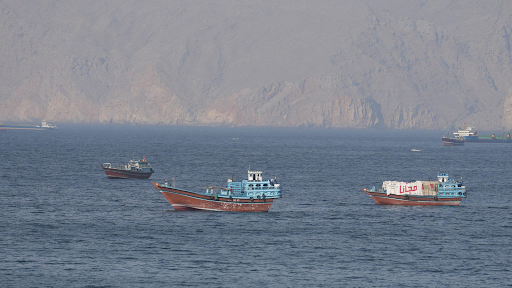
Vessels Crossing the Strait of Hormuz. Source: PBS.
The Strait of Hormuz became the focal point of a rapidly escalating standoff on Saturday, as Iran reversed its brief reopening of the waterway and reimposed strict control by firing on vessels attempting to transit the critical passage. Iran's Revolutionary Guard navy closed the strait again, warning that “no vessel should make any movement from its anchorage in the Persian Gulf and the Sea of Oman, and approaching the Strait of Hormuz will be considered as cooperation with the enemy” and would be targeted. Revolutionary Guard gunboats opened fire on a tanker, and an unknown projectile struck a container vessel, damaging some containers. India's foreign ministry said it summoned Iran's ambassador over the firing on two India-flagged merchant ships. The reversal came after Iran had declared the strait open on Friday, only to watch the U.S. announce its blockade of Iranian ports would continue regardless. As of Saturday, 23 ships have been forced to turn around by U.S. forces in the Gulf of Oman, and President Trump said the blockade will remain in place until both countries reach a final deal. The strait, through which roughly one-fifth of the world's oil normally passes, has become perhaps Iran's most powerful weapon in the conflict. Oil prices plunged after Iran's initial reopening announcement, with Brent crude falling over 9% to settle at $90.38 per barrel. French President Emmanuel Macron and British Prime Minister Keir Starmer called for the “unconditional, unrestricted, and immediate re-opening” of the strait, as Pakistan continues efforts to broker a second round of negotiations early next week.