
The President’s Pardon of Himself
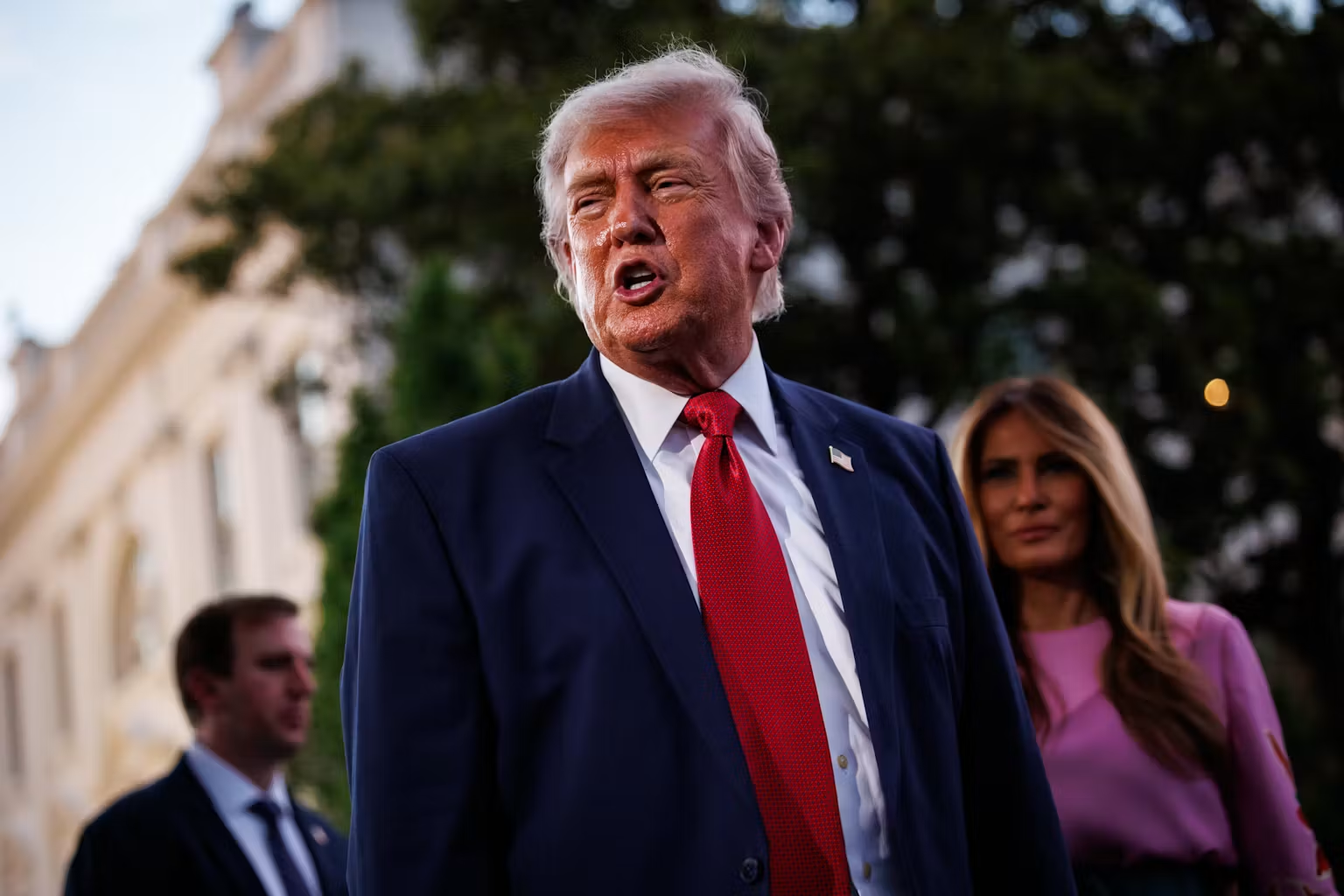
U.S. President Donald Trump. Source: The Conversation.
Earlier this week, the U.S. Justice Department announced the creation of a $1.776 billion “Anti-Weaponization Fund” from a taxpayer-backed pool of money designated to compensate Americans who claim the federal government unfairly targeted them. The announcement was framed as a principled stand against the abuse of prosecutorial power. It threatens to be nothing of the sort. The fund was established as part of a settlement in a lawsuit that Trump and his family brought against the IRS, seeking $10 billion in damages over the highly publicized leak of the president’s tax return information. The Trump family agreed to voluntarily drop the suit, meaning a federal judge would rule on the merits of the case, in exchange for the funds creation. The fundamental issue with the case is that Trump, as president, controls both the IRS and the DOJ, making the lawsuit's premise, that two adversarial parties were genuinely in dispute, a legal fiction. The document formalizing the settlement was signed by Acting Attorney General Todd Blanche, Trump's former personal criminal defense attorney. The terms buried in that settlement are the real story. Quietly added in a hyperlink to the DOJ's original press release, the settlement states the government is “FOREVER BARRED and PRECLUDED” from bringing claims against Trump, his family, or his businesses for any tax issues up to the date of the agreement, including matters in previously filed returns. A sitting president, suing an agency he controls, settled with himself and walked away immune. The fund itself has unsettlingly few guardrails. A five-person commission, directly appointed by Blanche, will determine who receives this money. Blanche, in Senate testimony this week, declined to rule out payments going to individuals convicted of assaulting police officers on January 6. Enrique Tarrio, the Proud Boys leader convicted of seditious conspiracy, has already signaled he might apply. There is an important historical parallel for this unprecedented development. President Nixon’s “enemies list,” which became public during the Watergate investigations, was designed to use federal machinery, including onerous IRS audits, to target political opponents. It became the basis of the second article of impeachment against Nixon, which accused him of efforts to get tax information and spur audits “in violation of the constitutional rights of citizens.” Nixon wanted to weaponize the IRS against his enemies. He failed, largely because the only protection came from Republican officials who said “no” to a president of their own party. Trump has done something structurally different and arguably worse. He used the rhetoric of anti-weaponization to inoculate himself against the very accountability Nixon faced, then created a slush fund in the name of fairness. 93 House Democrats filed an amicus brief calling the arrangement a “specter of corruption unparalleled in American history,” arguing Trump operated on both sides of the dispute as the plaintiff suing the IRS and as the president overseeing it. Even Senate Majority Leader John Thune said he wasn’t a “big fan” of the fund and that he wasn't “sure exactly how they intend to use it.” That bipartisan unease is telling. The administration's defense strains credulity when its architect is the president's former defense lawyer and its first likely beneficiaries are the January 6 convicts. The real lesson of Watergate wasn't that presidents try to abuse institutional power. They can usually fail because institutions push back. However, in 2026, the institutions have been pre-cleared to comply.