
At A Rapid Pace
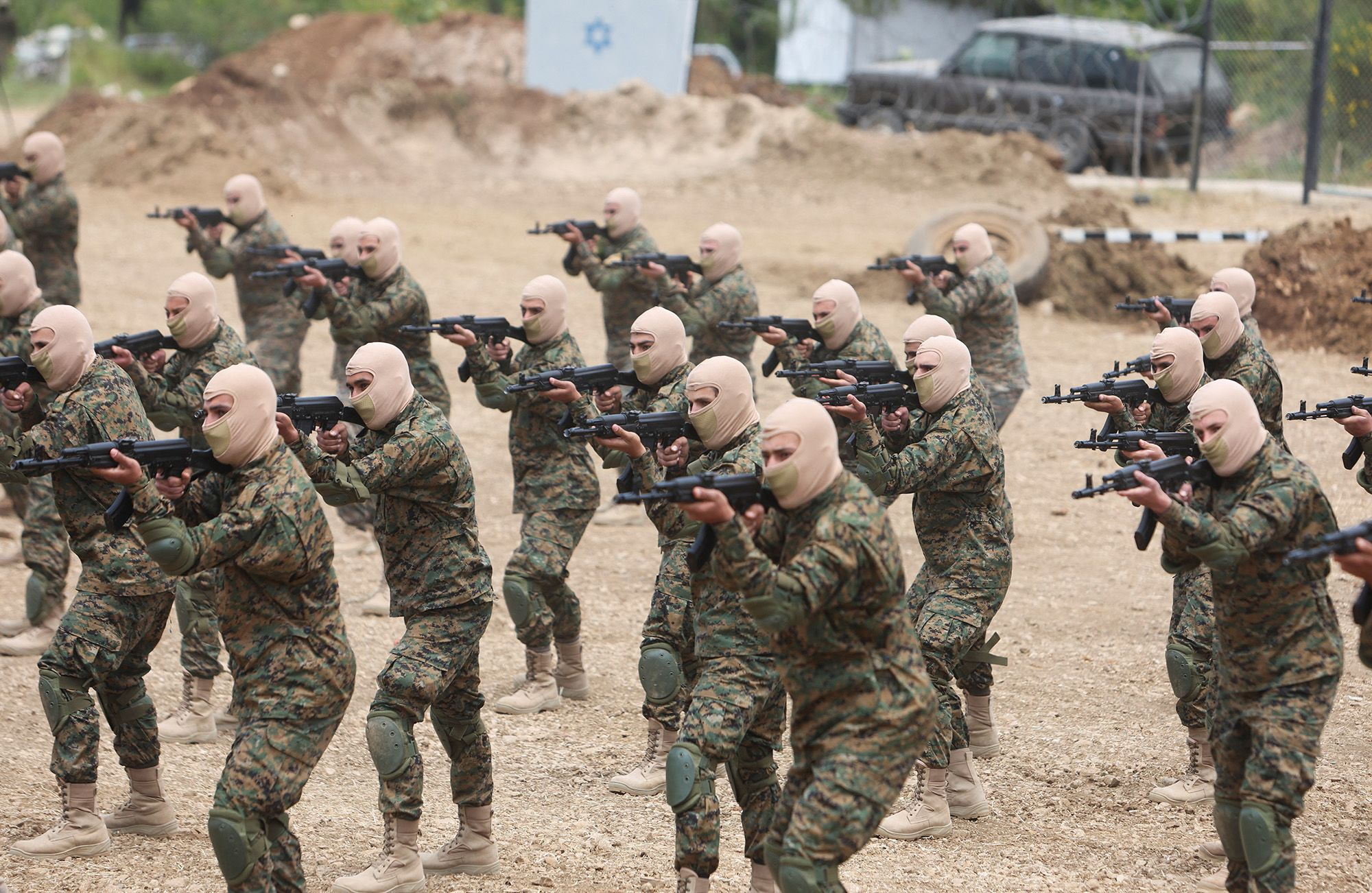
Hezbollah members take part in a military exercise during a media tour in Aaramta, Lebanon. Source: CNN.
On Monday, Iran's IRGC-affiliated Tasnim news agency announced that Tehran was suspending all indirect negotiations with the United States, citing Israel's ongoing military operations in Lebanon against Hezbollah as violations of the broader ceasefire framework. Iran's negotiating team said it would stop exchanging messages through intermediaries and threatened the complete closure of the Strait of Hormuz and the activation of additional fronts, including the Bab al-Mandab Strait. Hours later, President Trump posted on Truth Social that talks were continuing “at a rapid pace,” a claim NBC News reported was made without supporting evidence from the Iranian side. The immediate trigger was Lebanon, but the underlying pressure point was the draft memorandum of understanding that the two sides had been negotiating. Study of War assessed that Trump's recent request for amendments to the MOU related to Iran's highly enriched uranium stockpiles and the Strait of Hormuz likely contributed to Tehran's decision. From that reading, Iran’s grievances about Lebanon are real but also convenient; it provides domestic and regional cover for a breakdown that may have been structurally inevitable once the U.S. raised its terms. Iranian officials would contest that framing, pointing to a consistent position that any ceasefire violation on one front breaks the truce across all fronts, a posture that Tehran has maintained since negotiations began. That interpretive gap matters because it shapes what “suspension” actually means in practice. Trump signaled that if Iran withdraws entirely from talks, he would likely prefer economic pressure over renewed military strikes. That response suggests the administration views the suspension as a negotiating maneuver rather than a genuine rupture, which is consistent with President Trump’s broader pattern of treating diplomatic breakdowns as leverage. Critics of that framing argue it underestimates Tehran's domestic constraints. Iran's new leadership, operating after Khamenei's death, faces compounding pressures that make re-engagement politically costly absent tangible concessions on Lebanon. Iranian officials had previously used the negotiations to project confidence that significant military options remained available should diplomacy fail, which means the suspension itself is a message as much as a policy. What Monday revealed is that the ceasefire architecture, never fully agreed upon by both parties, now has a named structural flaw. Iran insists it covers Lebanon; Israel and the United States have consistently held that the pause applies only to direct U.S.-Iran hostilities. Until that disagreement is resolved, the negotiations will remain hostage to every Israeli airstrike in Beirut, and Tehran's willingness to exploit each one.