
The New Health Care Populism
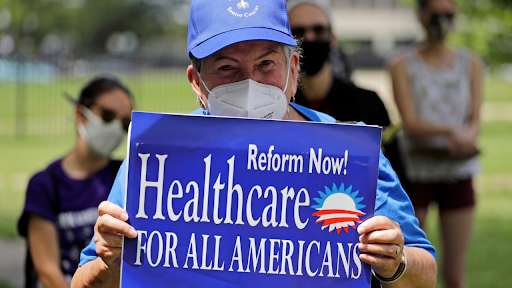
A demonstrator for health care reform in Chicago, Illinois. Source: The Hill.
Six weeks out from the midterms, health care has become a decisive factor for congressional candidates in battleground states. Health care now leads as voters’ top issue in the midterm elections. This signals that even amid war coverage and economic anxiety, 2026 is shaping up as a health-care-centered election.
Fear over rising costs is fueling bipartisan motivation to confront drug companies, insurers, and pharmacy benefit managers directly, with candidates on both sides racing to appear stronger on those areas than their opponents rather than litigating the Affordable Care Act. Republicans have been especially aggressive in using language once associated with the left. For example, as the Republican National Convention took place in Dallas this month, GOP figures pledged to take on “big tech” and “big pharma,” with Vice President Vance crediting the administration with lowering drug prices and reining in “corporate tycoons.” In New Jersey, Rep. Thomas Kean Jr. has built a reelection ad around a pledge to fight insurance companies over denied claims and high premiums, an approach the party is testing more broadly to insulate vulnerable incumbents.
Democratic candidates have leaned toward a corruption frame. In Michigan, Senate candidate Abdul El-Sayed labeled opponent Mike Rogers a “pharma lobbyist,” prompting a cease-and-desist threat. Similar accusations of industry affiliation have surfaced in Senate races in New Hampshire and Nebraska. Some progressive primary challengers have used the same strategy against incumbents in their own party, showing the anti-industry message is a fault line even within the Democratic Party.
Democratic proposals generally center on expanding Medicare’s drug-price negotiation authority, capping out-of-pocket costs, and tightening oversight of insurers and PBMs. Republican plans remain relatively vague. President Trump’s “Great American Health Care Plan” to replace the Affordable Care Act lacks funding, a timeline, and a realistic chance of passing Congress. What matters the most is that populist framing can travel faster than policy can follow, and voters weighing which party's fight is credible may find less daylight in the ads than in the fine print. Whether that fight translates into legislation likely hinges on which party controls Congress in January, but for now the message itself remains a bipartisan focus point.