
Delays in the October Unemployment Rate Figure Present Major Risks to American Workers
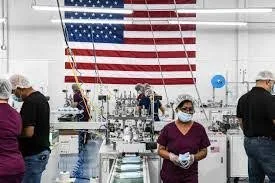
Delays in the release of the October unemployment rate can hinder job growth in the U.S. economy. Source: Market Watch.
On November 19th, the U.S. Department of Labor announced that it would delay its usual October estimate of the national unemployment rate until December. The recent government shutdown impeded their ability to release the figures this month. This is not the first time the Bureau of Labor Statistics (BLS) has faced issues calculating the unemployment rate, as the Trump Administration has raised issues over the integrity of its data collection methods. Recent doubts and delays over the number of unemployed workers in the United States have the potential to prolong the current rise in unemployment for American workers in the coming months.
The unemployment rate for September already reveals that Americans are facing increasing hardships in finding employment. Despite an increase of 119,000 jobs, the number of unemployed workers has also risen 4.4%, steadily growing from the August figure of 4.3%. The report finds that unemployment has mostly affected workers in industries that traditionally have lower wages, with around 25,000 jobs being lost in transportation and warehousing. While increases in unemployment are not being experienced in every sector of the U.S. economy, they have been significant for those workers in lower-wage industries. Several business owners state that restrictions on the entrance of immigrant workers into the United States have made it difficult to acquire foreign talent. This has led businesses to become less productive and placed them in a position where they cannot hire as many workers. The Trump Administration has to either adjust its current policies or react to the data collected by the BLS.
Trump has doubted the integrity of the BLS and its findings in the past. Some within the administration have accused the BLS of adopting a partisan stance against President Trump when releasing figures. For example, the administration has taken issue with the revisions the BLS has made to past figures. The BLS adjusted the figures for May and June, stating that there were 250,000 fewer jobs than previously stated. This has been the largest revision made since 1979. The practice of revision is actually quite common for the BLS, as they simply adjust the original figure after they have had more time to collect additional data. This means that American workers in the manufacturing and transportation industries are validated in their concerns about rising unemployment.
Doubts around the integrity of the BLS, along with the recent government shutdown in October, caused delays in the October report from being released. The lack of access to funding or essential BLS staff has delayed the necessary calculations for the October unemployment figure. In August, Trump fired Commissioner Erika McEntarfer of the BLS, accusing her of partisanship after the bureau revised the May and June unemployment figures. This impeded the ability of the bureau to collect information, as there was a lack of leadership to direct overall strategy. More recently, the government shutdown halted data collection operations. The combination of these two factors severely limits the ability of policymakers to make the necessary adjustments to the economy, making it more likely that American workers will continue to face struggles in finding employment.
The October unemployment rate is a vital figure for policymakers to make future decisions. Without this source of information, agencies like the Federal Reserve cannot make informed decisions. The members of the Federal Reserve usually meet after the unemployment rate figure is released to decide how interest rates will be adjusted. However, the decision to lower interest rates in November was made without this figure. This presents a serious issue as the Federal Reserve decides to either lower or raise interest rates based on predictions of future consumer behavior. However, these predictions are made using data collected from the BLS, like the unemployment figure, since employment is a major determinant of how much Americans are willing to spend. Without it, the Federal Reserve runs the risk of changing rates in a way that will make consumers hesitant to spend, which will cause businesses to have to reduce hiring due to fewer people buying their products and services.
As of January 2026, the updated unemployment figure for October has not been released, and is unlikely to be released in the future, making it difficult for government agencies to interpret trends that span over several months. The American public will have to see if the judgments made by the Federal Reserve will be able to control inflation without important BLS data, or if unemployment will continue to rise, potentially creating a struggle for American workers in 2026.