
Local DA Replaced in Cornell Sexual Assault Case
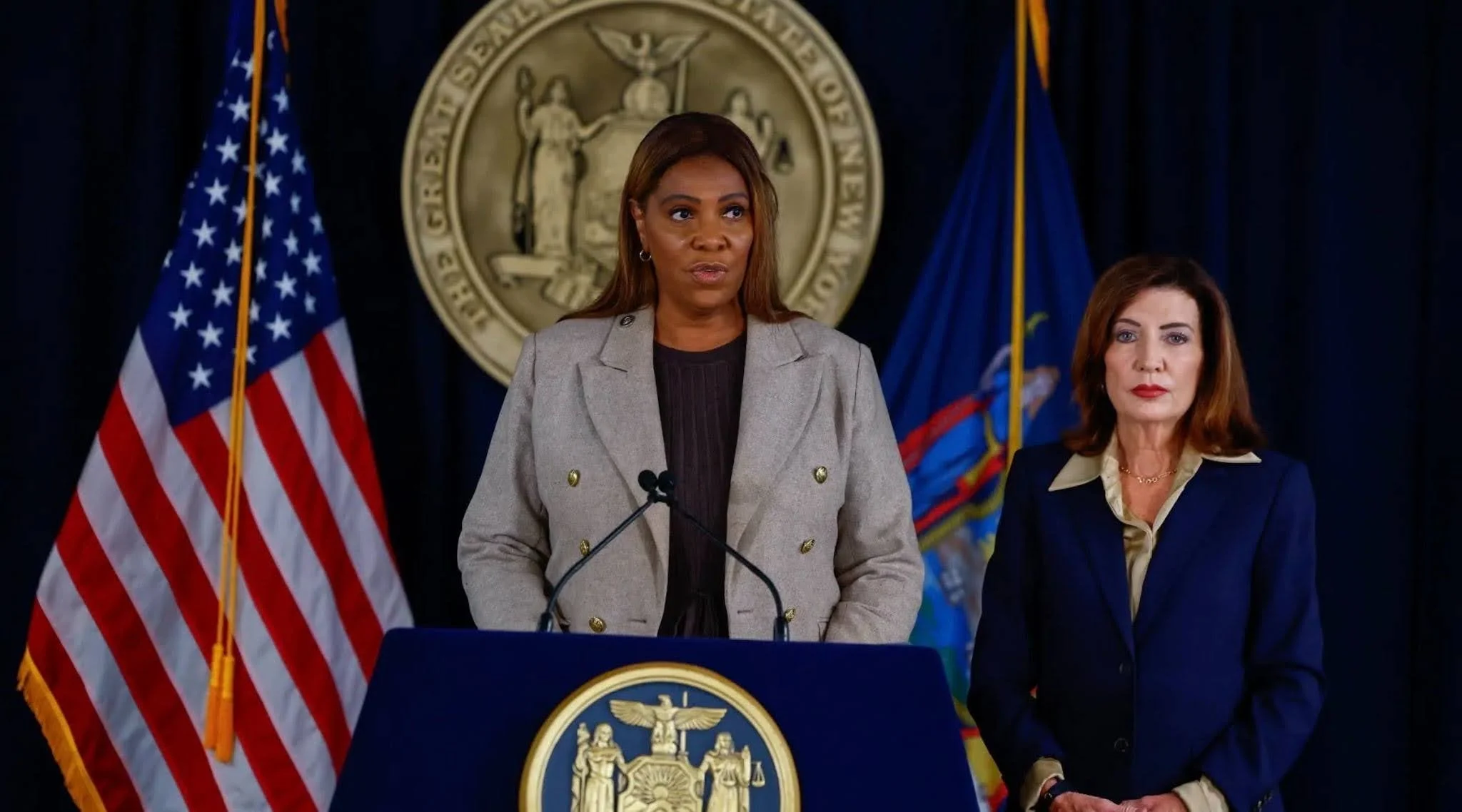
Attorney General Letitia James, who is taking over the case, has prosecuted multiple cases regarding offenses against women in New York. Source: Al Jazeera.
In mid-September, a student at Cornell University filed a civil suit implicating the university and multiple of its students in her reported sexual assault from two years ago, accusing seven male members of the Chi Phi fraternity at Cornell of raping her while she was incapacitated.
The District Attorney (DA) for Tompkins County—where Cornell is located—initially opened the investigation in 2024, but closed it after three weeks. The DA, Matthew Van Houten, then reopened it after the aforementioned suit was filed earlier this September. Van Houten claimed the investigation reopened due to new facts in Jane Doe’s suit that had not been shared during the initial criminal investigation.
The DA was unwilling to dig deeper into the troubling allegations when they were first brought to light in 2024, with the victim never receiving a follow-up beyond the initial interview, an uncommon move during traumatic cases. Owing to that apathy, calls soon came to replace him in the investigation’s new iteration. Governor Hochul responded on October 1, replacing the lead prosecutor to bring fresh leadership to the inquiry. Van Houten will vacate the investigation’s lead role to make way for New York State Attorney General Letitia James.
A more powerful prosecutor than DA Van Houten, Letitia James has prosecuted similar public cases. In 2021, James led an independent investigation into sexual harassment allegations against former governor Andrew Cuomo. In that probe, James determined that Cuomo had committed sexual assault against multiple women, paving the way for his resignation and eventual replacement by Governor Hochul.
The appointment of Letitia James has come under some heat. Many have asked whether her early alignment with the victim could be perceived as a sign of bias. James even posted comments such as “I’m holding her in my heart,” and “we stand with you” before being assigned the case. One of the perpetrators’ lawyers asked, referring to those comments, whether the public can maintain confidence in the investigation’s impartiality. The White House added to the noise, aligning with the perpetrators’ legal team in believing the defendants would not be given a fair chance.
This is not the first time James has found herself opposite the president. In 2022, she filed a civil suit against President Trump, alleging he fraudulently misrepresented his assets. Since he has retaken office, she has joined multiple cases related to the White House’s policy decisions.
This is also far from the first time she used her position to defend women’s safety. In fact, just last year she signed onto an amicus brief with several other Attorneys General, voicing their collective support for Violence Against Women Act funding threatened by the current administration. Unlike in those prior cases, a grand jury—rather than federal courts— will decide the verdict, should the Attorney General press charges as expected.
It seems likely that when that verdict comes, Jane Doe could see justice served to her abusers. Many details have surfaced that were either hidden or never uncovered in the original investigations as James compiles the evidence and testimony needed to paint a broader picture of the assault. According to civil court filings and original interview transcripts now being brought into the media landscape, the victim told investigators in 2024 that she had “100% confidence [she] was raped.” The former prosecutor claimed he had never seen such a statement.
As the Attorney General digs deeper into old and new testimony alike, it is becoming clear just how poorly Jane Doe has been served by the justice system in her last experience with it. With her experience navigating many high-profile cases that can draw media attention, James should be well prepared to handle the details of this investigation while under a major spotlight.
With new evidence and a new prosecutor, the Cornell 7 may finally be brought to justice. The biggest challenge for James will be New York’s narrow definition of rape under the law. Along with 18 other states, New York does not consider a victim’s inability to give consent due to intoxication grounds for rape, as it was in Jane Doe’s case.
The burden will be on James to prove beyond a reasonable doubt that the men responsible for this act violated the law, not just the victim’s dignity. Only time will show whether the new attorney can make a difference for Jane Doe.