
The High Price of Reactive Storm Policy in a Warming World
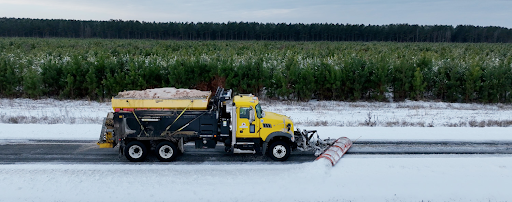
NCDOT truck clearing snow from a roadway. Source: NCDOT.
In late January, a series of winter storms swept through North Carolina, resulting in a historic blizzard, which meteorologists are calling a “bomb cyclone.” As a result, widespread power outages, icy roads, and freezing conditions changed the landscape and put the state’s infrastructure to the test. The toll was immediate, with more than 835 cancelled flights, 1,000 traffic accidents reported, and 2 lives tragically lost from the conditions. In anticipation of the weather, Governor Josh Stein declared a statewide State of Emergency on January 21, 2026, activating temporary motor vehicle waivers to assist the movement of supplies. While the focus was on clearing roads and restoring power, the fiscal aftermath has revealed a steep price tag. The North Carolina Department of Transportation (NCDOT) alone has reported spending over $33.4 million on salt, supplies, and hiring private contractors to assist workers. This figure represents more than half of the department's annual winter-weather budget. As changing climate patterns increase the likelihood and unpredictability of extreme winter events, the potential cost is beginning to raise questions about the sustainability of North Carolina’s current preparedness. The unpredictability is driven by Arctic Amplification, a phenomenon in which a warming Arctic weakens the jet stream, allowing frigid air to move farther south into typically temperate regions such as the Research Triangle.
The impact of winter storms like the “bomb cyclone" seen in 2026 is a large logistical burden for the state’s emergency infrastructure, and it extends far beyond the fleets of salt trucks. Responding to these events is the responsibility of the State Emergency Response Team (SERT), which operates under the Department of Public Safety to coordinate resources across the state. While the NCDOT crews worked around the clock to clear primary roadways, the Human Services Branch of the SERT coordinated with the Red Cross to manage mass care and shelter operations, thereby preventing power outages from becoming a public health crisis. Simultaneously, the State Highway Patrol managed the clearing of abandoned vehicles that interfered with snow plow progress, a task made possible by Governor Stein’s activation of “immediate towing” protocols in Executive Order No. 31. Continuity of services within the state can only be maintained through a high level of coordination to ensure that hospitals remain powered and food supply chains unbroken, yet it comes with a steep secondary level of operational costs that are often overlooked in initial damage assessments.
The efficacy of the coordination is tied to the state’s fiscal abilities, which is currently uncertain. The primary funding for the response to extreme weather events is the State Emergency Response and Disaster Relief Fund (SERDRF), a reserve account established within the General Fund. In late 2025, North Carolina required large recovery and response efforts after Hurricane Helene. This forced the state to transfer hundreds of millions of dollars from its reserves, leaving the emergency accounts under strain. When an event like the blizzard seen in January strikes while the state is already operating under a “mini-budget” due to legislative delays in the General Assembly, the ability of departments to react with speed is hindered. Agency leaders are effectively forced to borrow from their future, utilizing maintenance funds to cover the immediate capital needs of disaster response.
This reliance on reactive, gradual funding creates a “resilience gap” in the state's infrastructure planning. NCDOT now faces a funding shortage after spending over half of its $60 million annual winter budget in a single two-week period. The cycle of depletion and replenishment creates a difficult planning environment, where long-term infrastructure development, like retrofitting bridges for ice resiliency or investing in advanced weather-tracking technology, is sacrificed to cover the immediate costs of recovery efforts. In this scenario, the opportunity cost is high; every million dollars spent on emergency cleanup is a million dollars not invested into preventing the damage, leaving the state vulnerable to the erratic jet stream.
As North Carolina faces a future where Arctic Amplification makes winter storms more frequent and severe, the current model of funding response through contingency reserves appears unsustainable. To protect North Carolina’s physical infrastructure and fiscal health, the state may need to move toward a dedicated “Winter Resilience Fund,” protected from general budget disputes and designated for proactive development rather than just reactive clearing. Without structural policy changes, the costs of the next weather event will likely be higher, measured not just in taxpayer dollars but in the prolonged damage to the state’s economy.