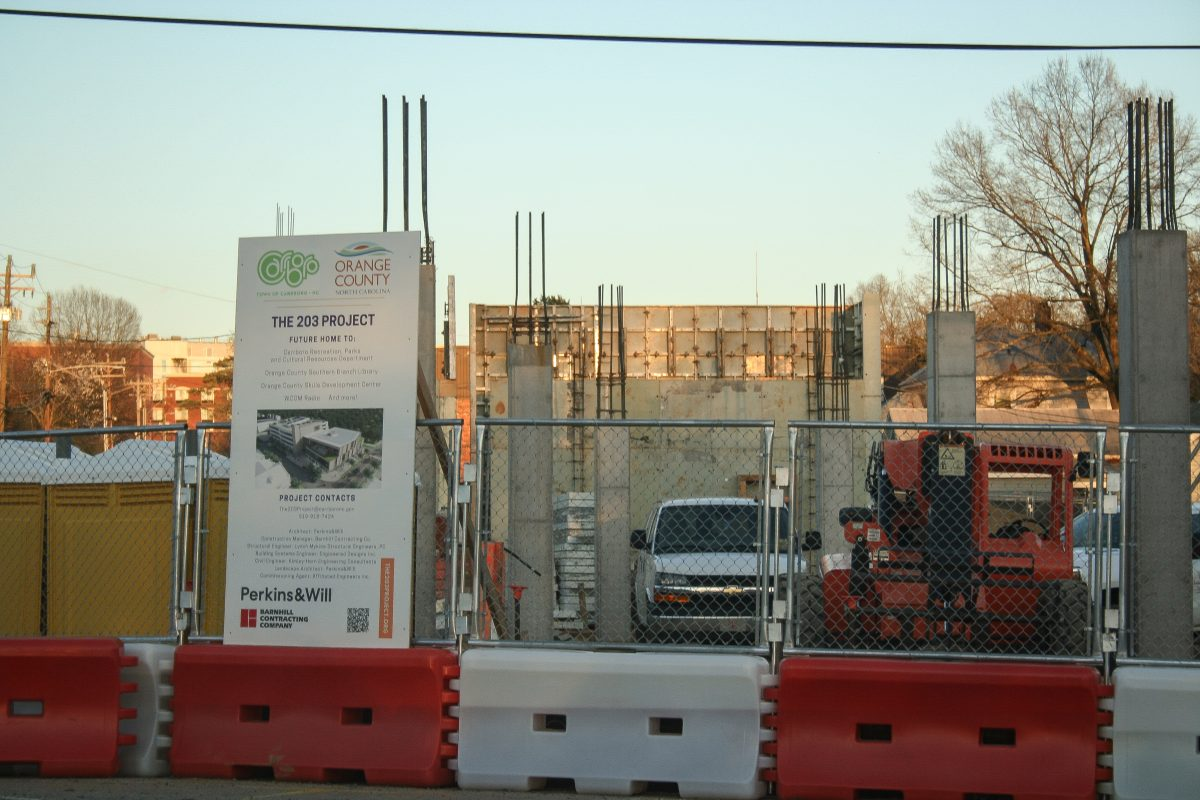
Carrboro’s effort to rewrite its housing development rules by pursuing a new Unified Development Ordinance (UDO) has raised an issue much larger than local zoning. Legal disputes with North Carolina state law and local goals have brought into the spotlight conflicts between how state and local governments decide how the community grows.
Read MoreThe proposed J Branch greenway trail would be approximately 11 miles long and built on a train line that still actively delivers coal to UNC’s Cogeneration Facility on Cameron Avenue. While the support for this trail is high, the line cannot be fully converted to a trail until UNC stops burning coal, and the timeline for that is unknown.
Read MoreStudents have criticized the response following the threat and have raised questions surrounding UNC-Chapel Hill’s lack of communication, including UNC-Chapel Hill not issuing an Alert Carolina, a campus safety system designed to alert students of threats on campus.
Read MoreThe incident raises questions that UNC-Chapel Hill has long resisted answering. When an athlete breaks the same rules as any other student, who decides the consequences, and do they parallel one another? Despite student-athletes in the NIL era of college football mirroring professional athletes more closely than regular students, all university students are subject to the same code of conduct.
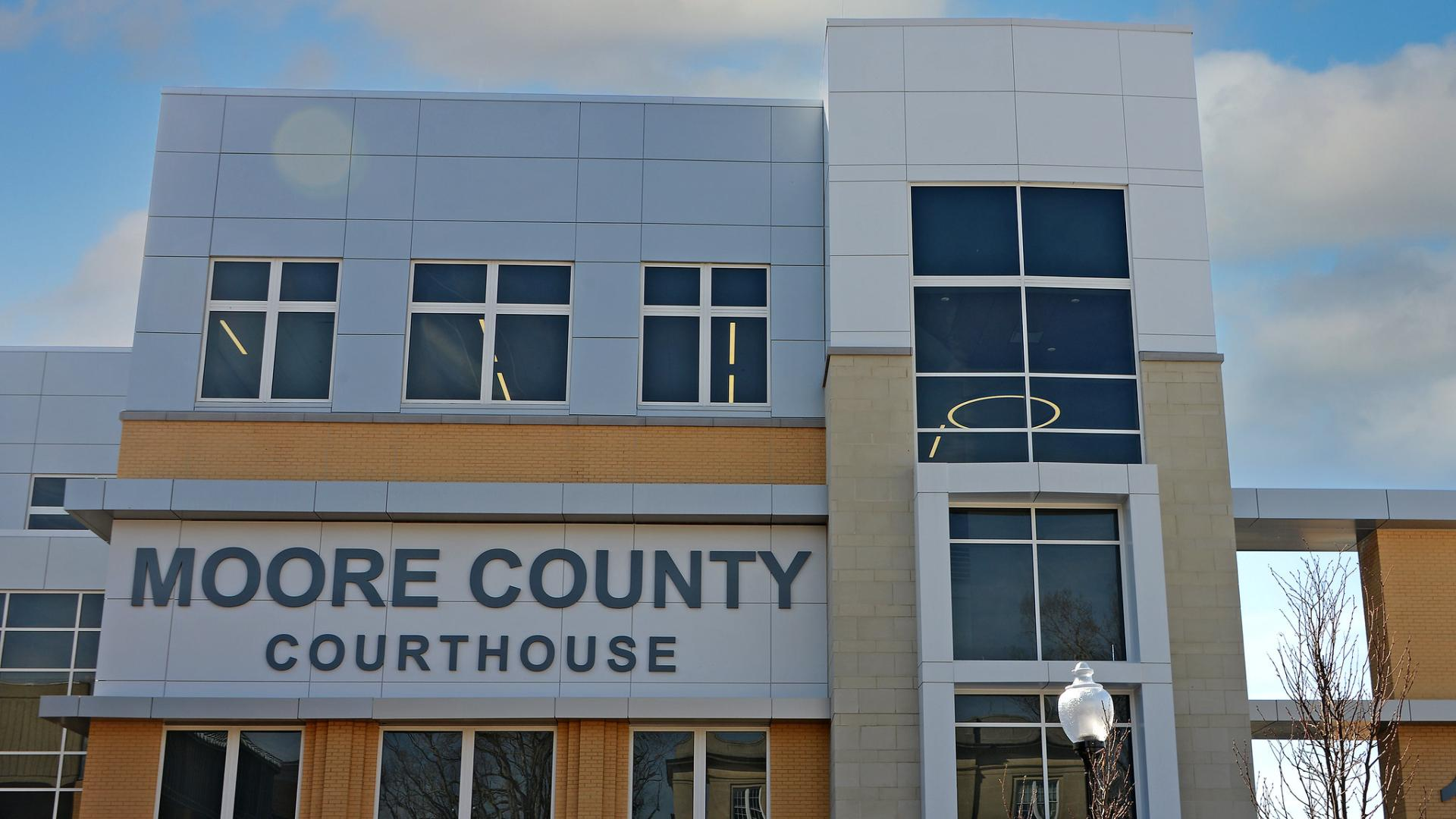
Read MoreIn early December 2023, contempt proceedings against Moore County Clerk Maness were filed. Following the proceedings, numerous lawsuits and claims of misconduct have emerged from all sides, illustrating how disputes inside a local courthouse escalated into a prolonged political and legal conflict.
Read MoreThe ongoing North Carolina Senate race has made the use of Super PACs salient, with candidates receiving large amounts of money from these organizations to fund their political campaigns. The use of these committees has raised questions about the representation of public interest in government, the impact of wealthy donors, and the potential for corruption.
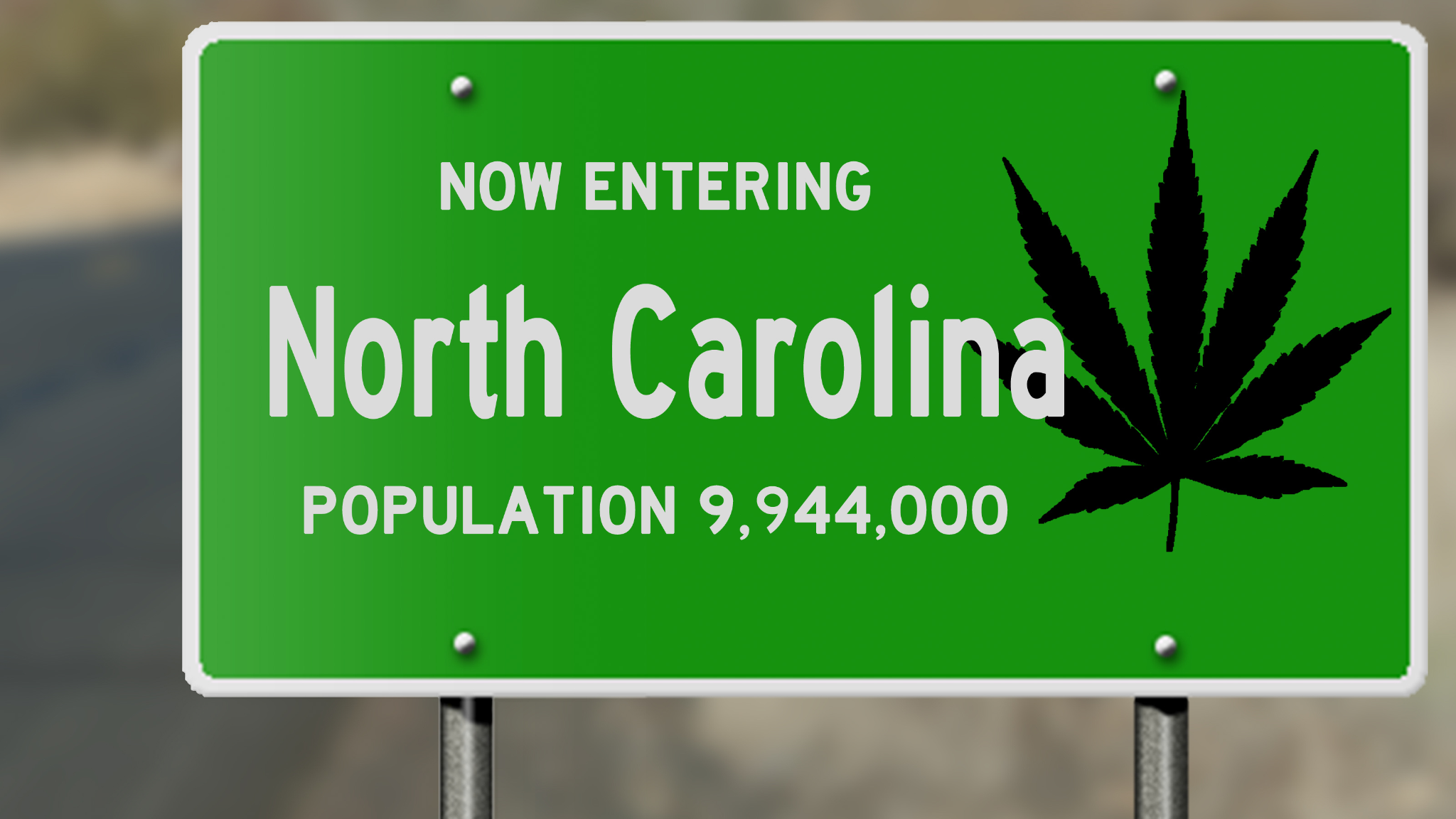
Read MoreIn April 2026, the North Carolina Advisory Council on Cannabis recommended that lawmakers set a path for the legalization of marijuana for adults. Two top Republican lawmakers are continually pushing back on such legislation, resurfacing marijuana debates in Raleigh.
Read MoreWhether the next generation of North Carolina students inherit the same opportunities may depend less on their ambition, which is plainly there, and more on decisions being made in Washington right now, far closer to home than the Moon.
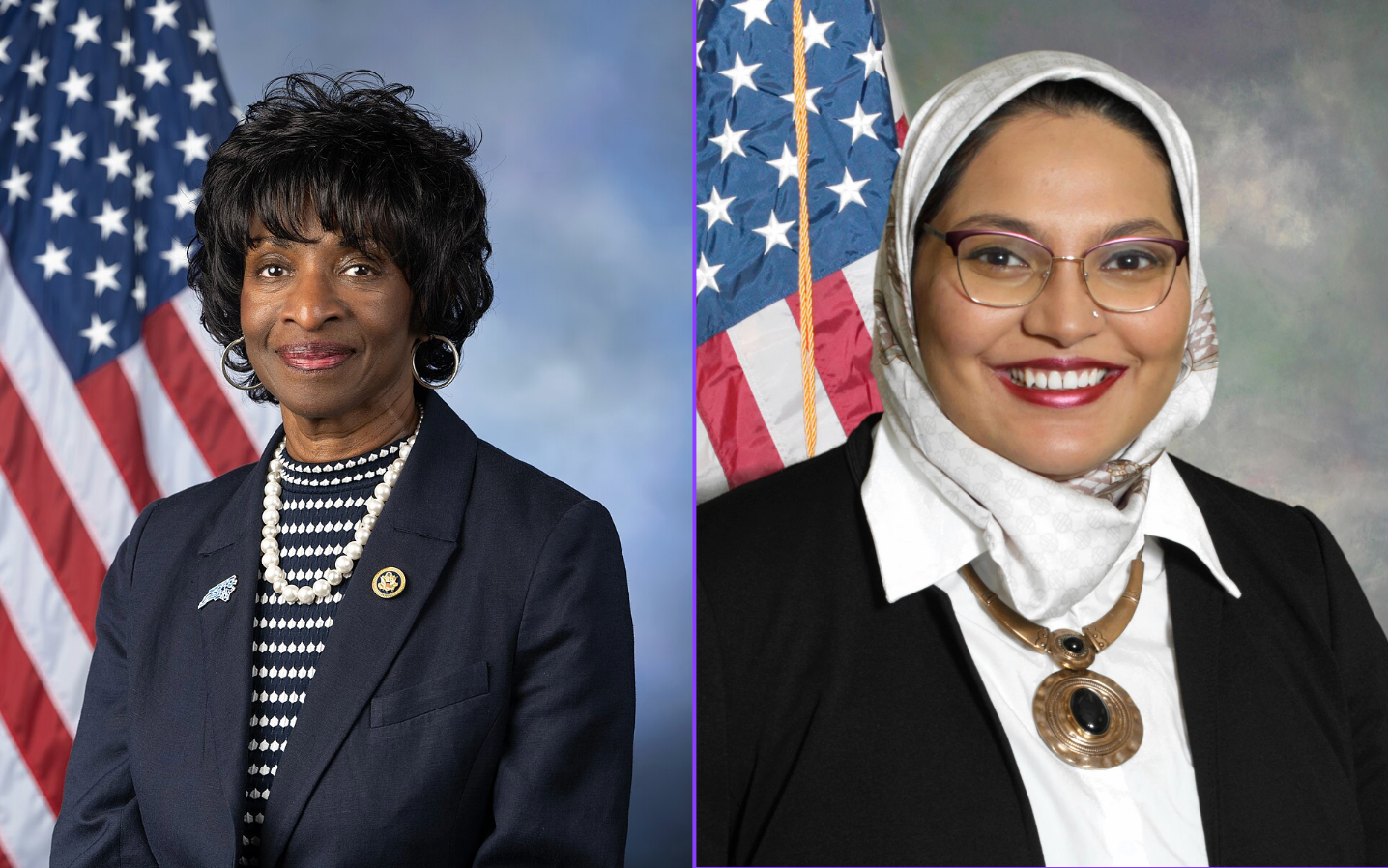
Read MoreVoters in North Carolina’s Fourth Congressional District, including Durham and Chapel Hill, have chosen Representative Valerie Foushee as the incumbent in a controversial primary against County Commissioner Nida Allam. Claims of dark money, misshapen foreign policy, and AI funding shaped the outlook of this race, prompting national interest in the outside groups and super PACs that played a role.
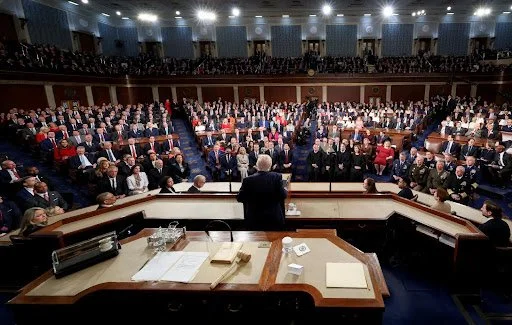
Read MoreThroughout the speech, there were very few times when both Republicans and Democrats stood and applauded together. This stark display of partisan division reflects the current political climate in the United States. The reactions of North Carolina lawmakers to the address further reveal the depth of this political divide.
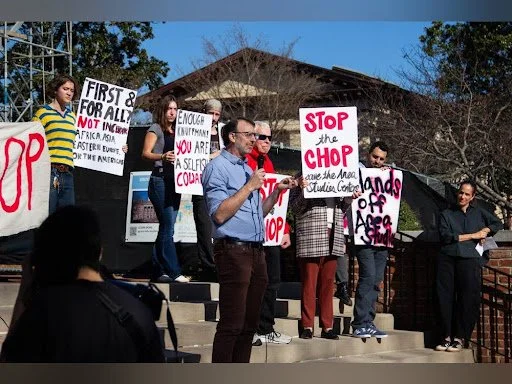
Read MoreThe proposed closure of study centers has mobilized both students and faculty members who are engaged in campus-wide activities such as student discussions, presentations, press conferences, and lobbying with a hope to garner more support, visibility, and demonstrate the impact of the study centers in a bid for the University to reverse its decision.
Read MoreThe fiscal aftermath of the recent bomb cyclone has shown that North Carolina’s system of funding winter preparedness through 'mini-budgets' and contingency reserves is no longer sustainable. With the NCDOT exhausting half its annual winter budget in days, the state faces a choice between continuing a cycle of costly, reactive cleanup or investing in proactive infrastructure defense. As climate volatility increases, the General Assembly must establish a permanent Winter Resilience Fund to insulate the state’s economy from the paralyzing costs of future storms.
Read MoreOn May 6, H.B. 301, introduced by Representative Jeff Zenger, was passed in the North Carolina House of Representatives. With this bill, minors in North Carolina under 14 would be restricted from making accounts on all social media platforms, while those under 16 would need parental consent to sign up for an account. Proponents argue that this bill would make important strides in protecting youth mental health, preventing cyberbullying and exposure to harmful content, and encouraging safer recreational activities. However, opponents argue that the bill has the potential to encroach on children’s First Amendment rights, as well as introduce privacy concerns and data collection vulnerabilities.
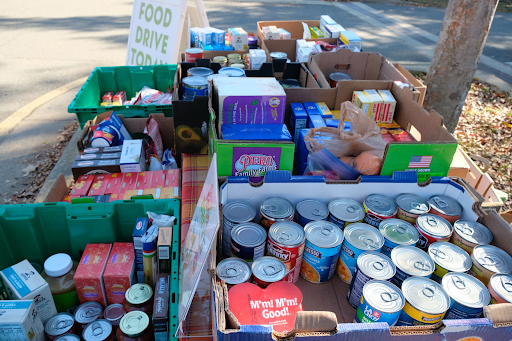
Read MoreDisruptions to the SNAP food aid program during the government shutdown disproportionately affected rural North Carolinians, with local organizations unable to fully offset resources normally available from the federal government.
Read MoreIn a year when off-year elections finally captured statewide attention, North Carolina voters delivered one of the highest municipal turnouts in recent history. With housing pressures mounting and political tensions rising, communities across the state reshaped their local leadership. The ripple effects of this year’s “blue mist” could redefine the state’s political landscape for years to come.
Read MoreNorth Carolina has the responsibility to protect its residents when politicians in Washington fail to do so, especially when it is regarding something as basic as food. SNAP isn’t optional; families can't wait it out. With the instability in Washington right now, and the uncertain future of SNAP, the state has to start treating food access like a core emergency service, not something entirely dependent on federal stability.
Read More"I am urging the USDA to take immediate action to prevent more than 1.4 million North Carolinians – including children, people with disabilities, veterans, and working families – from going hungry," said Governor Josh Stein.
Read MoreThe placement and subsequent reinstatement of UNC professor Dwayne Dixon reveal the need to center students’ concerns around alleged faculty misconduct, not concerns of outside actors.
Read MoreThe N.C. Senate recently passed House Bill 192, which would prevent the DHHS from allowing patients to use Medicaid at Planned Parenthood clinics in North Carolina. This is a highly polarizing issue, with some in favor of the organization’s defunding. Others, such as Planned Parenthood leader Paige Johnson, argue that this could have serious implications for patients in low-income or underserved areas. Medical services impacted, if the bill is enacted, could include cancer screenings, STI tests, and contraceptive access.
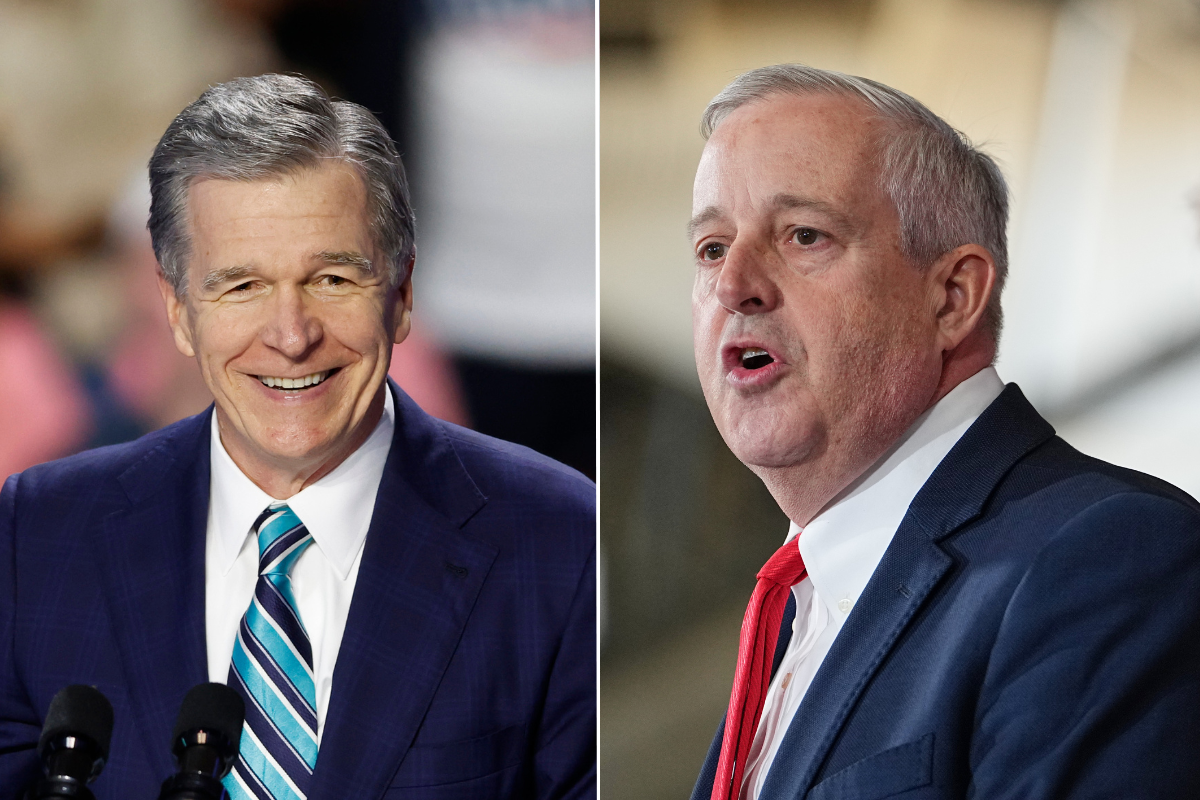
Read MoreOn June 29th, North Carolina Senator Tom Tillis decided to step down from the Senate, marking the beginning of a closely contested race. The Democratic candidate is former Governor Roy Cooper, while former NC RNC Chair Mike Whatley represents the Republican Party. During the race, concerned North Carolinians who rely on services like Medicaid and Medicare have also been paying close attention to the recent federal government shutdown. Due to the concern over Medicaid cuts being considered in the shutdown negotiations, healthcare has become a major issue in the North Carolina Senate campaign
Read More