
Price of Gas in the US is on the Rise
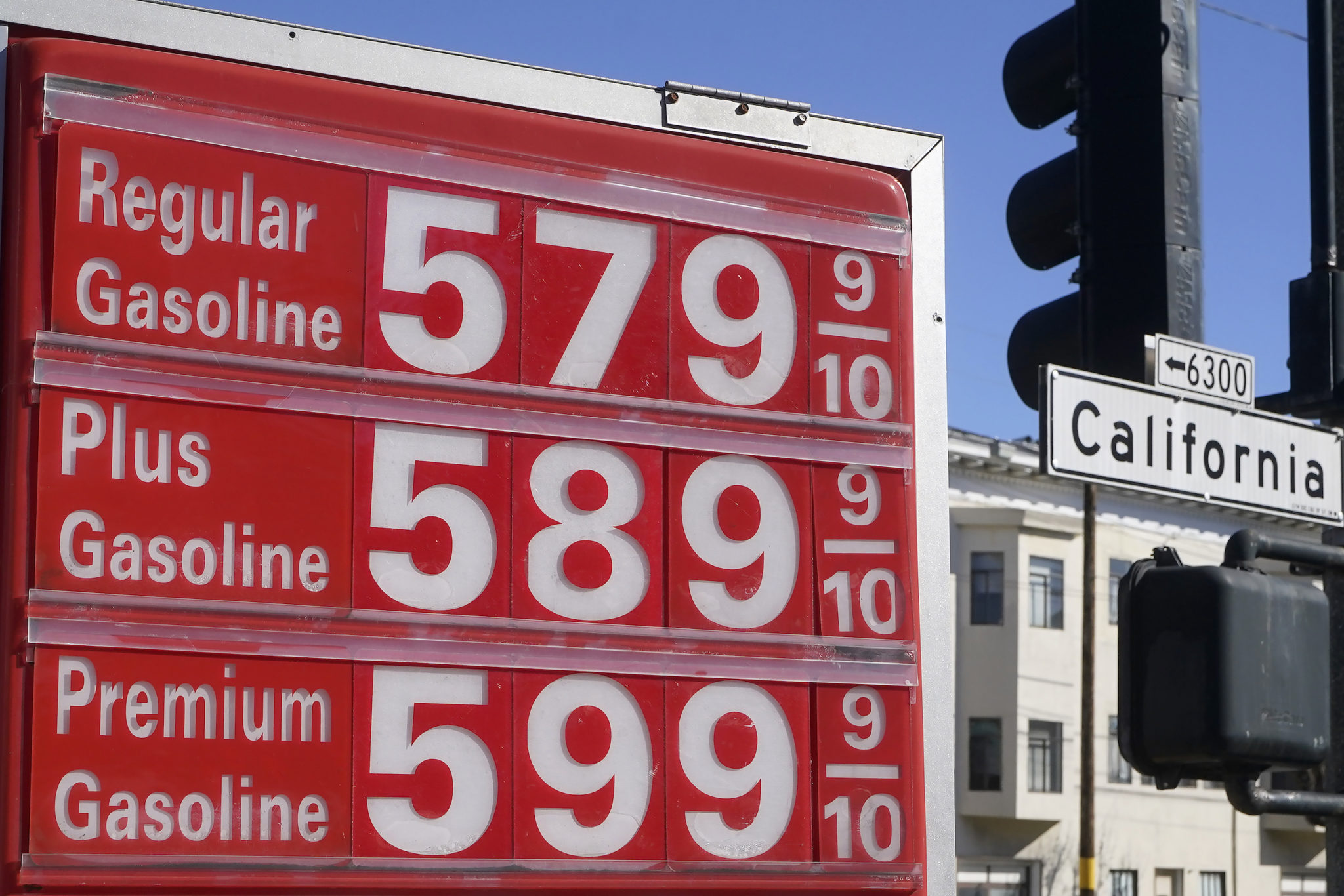
Rising gas prices in the United States, as seen on the gas price sign in Los Angeles, California. Source: Monterey Herald.
The national average price for a gallon of regular unleaded gasoline is on the verge of hitting $4 for the first time since 2022; however, this price increase is not random.
The conflict between the US and Iran is a driving factor, with the closure of the Strait of Hormuz trapping one-fifth of the world’s oil supply in the Persian Gulf. Despite the US being a major producer of oil and gas, domestic production will not aid these rising prices anytime soon.
Chief economist at RSM US, Joe Bruesealas, discusses gas price qualification within the US, explaining the increase in pricing and its implications. Brusesealas highlights that gas price qualification essentially is driven by oil prices, where every $10 increase in a barrel of oil impacts real GDP growth, increases inflation, and raises prices at the pump by 24 cents.
This rising price holds a plethora of implications for the US economy, particularly impacting households’ cost of living and targeting lower-income groups, creating an increase in household expenses, further leading to higher transportation and food costs.
All of these factors can be boiled down to the effects of living in a post COVID-19 world, along with the United States conflict with Iran. CNN further reported that a gallon of regular, unleaded gasoline averaged $2.98 before the war started, clearly showing an increase.
The US Energy Information Administration highlights that retail gasoline prices are mainly affected by crude oil prices and the amount of gasoline available to meet demand. The EIA also explains that gas prices can change rapidly if something disrupts crude oil prices, refinery operations, or gasoline pipeline deliveries. However, even if crude prices are stabilized, gas prices can still fluctuate due to seasonal changes in demand.
Normally, the market for gas will have natural patterns of fluctuating prices, with some external factors impacting large fluctuations. Historically, similar surges have revealed deeper structural challenges. Crude oil and gas prices reached record highs in 2008, due to global demand outpacing supply. Today's rising prices can hint at similar vulnerabilities in the US economy, especially as households face inflationary pressures.
Increasing gas prices have widespread economic consequences, specifically with higher fuel costs increasing inflationary pressures and elevating the costs of goods. With gas being a core input for transportation and production, a rise in price means businesses face higher costs, which are then passed on to consumers. This contributes to broader inflation, raising the costs of goods and services, ultimately reducing purchasing power.
This increase in inflation directly impacts the cost of living and could further increase income inequality, a pressing issue within the current United States economy.
With a decrease in purchasing power, families cannot keep up with rising living costs, directly impacting lower-income households and posing a long-term structural challenge for the economy.
Experts say that while there has been an increase in the cost of oil barrels, today's global economy is far less energy-intensive than in the past decades, making the overall impact on economic growth smaller than it used to be. While this growth is smaller, the Investment Bank research analysts still project 3% global growth and that the United States conflict in the Middle East will be resolved.
While analysts are forecasting this growth, this optimism depends heavily on the Middle East conflict being resolved, as geopolitical tensions in that region can disrupt oil supply and drive prices higher. As fluctuations in gas prices are common, larger external factors such as international conflicts can lead to more significant changes.
Even as one could view these fluctuations as only impacting gas prices, these prices hold greater implications, including impacting households directly, especially in lower-income communities. With this being said, it is important to understand the implications of increasing gas prices, along with how community members are affected, to limit the disparities that exist.
Even as one could view these fluctuations as only impacting gas prices, these prices hold greater implications, including impacting households directly, especially in lower-income communities. With this being said, it is important to understand the implications of increasing gas prices, along with how community members are affected, to limit the disparities that exist.