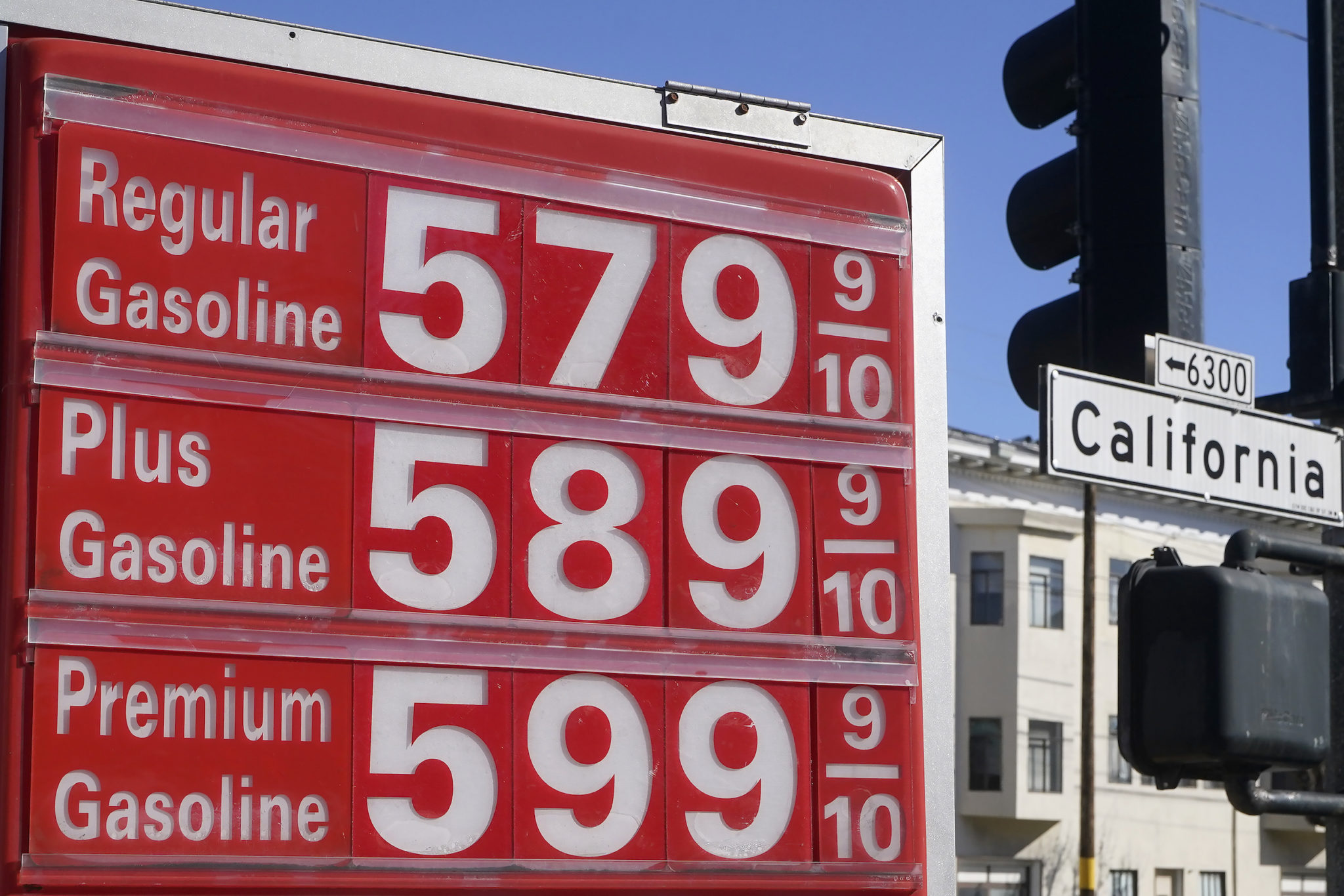
Increasing gas prices have widespread economic consequences, specifically with higher fuel costs increasing inflationary pressures and elevating the costs of goods. With gas being a core input for transportation and production, a rise in price means businesses face higher costs, which are then passed on to consumers.
Read More84% of the crude oil that passes through the Strait of Hormuz is destined for markets in China, India, and South Korea, among other Asian countries. China also buys more than 90% of Iran's oil exports, and around 53% of India's imported oil in early 2025 came from Middle Eastern suppliers. Meanwhile, Europe faces a second large disruption in the energy market over the last decade, after previous complications stemming from the Russian invasion of Ukraine.

Read MoreCampaigns like this bring to light the concerning development of anti-democratic tactics used by fossil fuel companies, especially in the age of AI. This particular effort was a failure on the part of Williams Companies, but what happens when fossil fuel companies are able to use AI to effectively undermine public opinion and sway decision makers?
Read More“On November 10th the U.S. Bureau of Labor Statistics released a monthly report that showed some pretty grim indicators for the U.S. Economy. Inflation, or the general increase in prices, had climbed to its highest level in nearly 30 years. From Oct 2020 to Oct 2021, prices have risen nearly 6.2 percent. This is putting strain on American consumers as the economy is recovering from the COVID-19 shutdowns.”
Read More