
Conflict in Iran Threatens to Escalate Tensions Within the Federal Reserve
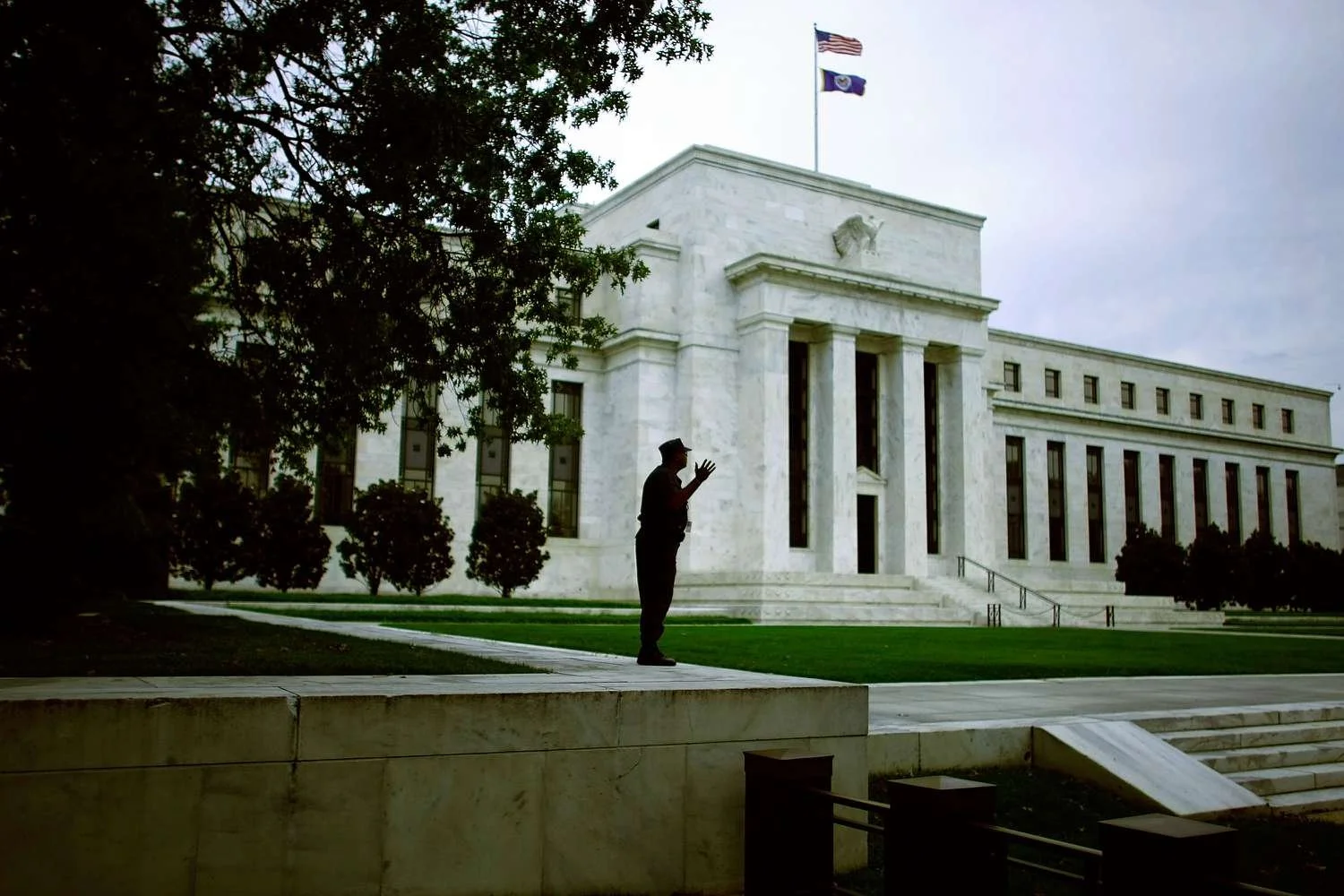
The Federal Reserve must closely monitor the situation in Iran to make decisions about future interest rates. Source: ThoughtCo.
On February 28, the United States and Israel launched missiles in Iran, hitting Tehran and key military targets. In response, Iran launched drone strikes in Israel and the Arab Gulf states and closed the Strait of Hormuz in April. The decision to close the Strait has serious ramifications for oil shipments vital to the U.S. economy, inflating gas prices for American consumers. In their monthly assessment of the economy, the U.S. Federal Reserve will look at how severely the resulting inflation will affect American consumers, along with the usual domestic factors such as job growth, which provides conflicting assessments of the U.S. economy. An additional challenge the Board of Governors faces is that it must make the decision regarding interest rates in the context of an era where Central Bank Independence is being challenged by the current Trump Administration. The Federal Reserve’s decision to keep rates the same in April reflects the tensions in the Middle East and the labor market.
There is evidence that disruptions caused by the war may have contributed to higher prices for U.S. consumers. The war has severely slowed global oil shipments in the Strait of Hormuz. Around 20.9 million barrels of crude oil passed through in 2023. The war has resulted in a 70% reduction of ship traffic through the Strait, increasing global oil prices. In the United States alone, gas prices rose by 80 cents to $4.12 in the past three months. This increase can make it more difficult for the trucking industry to transport products, including food, construction materials, and manufactured products, which can, in turn, raise grocery store prices. Since oil is used in various industries such as construction, farming, and airlines, the effects of this inflation are likely to be widespread and uneven. This occurs because sectors of the economy rely on oil to different degrees. The unbalanced nature of the resulting inflation makes it extremely difficult for the Federal Reserve to make a decision on changing interest rates, as this one metric is intended to influence the whole U.S. economy. However, it comes in the context of an improving labor market, which could help offset the effects of rising gas prices.
Recent reports suggest U.S. labor market gains have been meaningful, which can potentially offset the harm caused by rising energy prices. In their April monthly report, the U.S. Bureau of Labor Statistics announced that the unemployment rate had decreased to 4.3%. Policymakers like officials in the Trump Administration who have worked to increase the number of private sector jobs in the United States may be eager to hear this, since it demonstrates that reductions in oil shipments to the United States may not be as impactful, due to moderate job growth. However, members of the Board of Governors disagree as they argue that this reduction in unemployment is a result of people leaving the labor market to pursue other non-employment endeavors, like receiving a degree. Under this interpretation, rising grocery store prices can be even more harmful to American consumers, particularly for households that are no longer receiving a stable income from employment. Higher prices will only add financial pressure on Americans who have left the job market, potentially reducing consumer spending and weakening economic growth. Conflicting interpretations of the unemployment rate force the Federal Reserve to be patient and not take drastic actions.
The conflicting interpretations of labor market data, combined with uncertainty surrounding the war in Iran, contributed to the Federal Reserve’s decision to keep rates steady. This allows the Board of Governors to support decreasing unemployment while also maintaining room to respond to future geopolitical changes. In the monthly Federal Reserve meeting held in April, the Board of Governors decided to keep the interest rates at 3.5% to 3.75%, citing high inflation, a stable but weakening labour market, and geopolitical uncertainty as the main reasons why. The Federal Reserve must make decisions based on the future. Officials are not certain of how quickly the Trump administration can arrange a peace deal with Iran or how the conflict could escalate in the coming weeks.
In addition to economic uncertainty, the Federal Reserve faces political uncertainty within its decision-making on interest rates. The Trump administration has shown a willingness in the past to attempt to influence decisions made by the Board of Governors, including past public threats towards members of the Federal Reserve. This infringes upon the traditional independence that the Federal Reserve holds from the President. Previously, President Trump attempted to fire Lisa Cook, a member of the Board of Governors, for mortgage fraud. He has also threatened to fire Jerome Powell, Chair of the Federal Reserve, if he does not resign in the coming weeks. Members of the Federal Reserve must make decisions that aim to stabilize employment and inflation within the United States in the long term. This sometimes requires raising interest rates, which can create monetary economic discomfort. When the Board of Governors faces political threats over its handling of interest rates, its ability to make independent policy decisions that affect the economy in the far future is hindered. More uncertainty is created since, in addition to a volatile geopolitical situation and conflicting reports on the labor market, tough decisions like raising interest rates will face serious challenges from the White House. Long-term goals to handle inflation and unemployment become extremely difficult to address as the Board of Governors is asked to prioritize short-term goals instead.
If the war in Iran continues, the Federal Reserve might deem it appropriate to raise interest rates to encourage the American public to save amid a potential recession, despite disapproval from the Trump administration. This dynamic is not new, as similar tensions have emerged in the past between the president and the Federal Reserve on interest rates. Presidents like Lyndon B. Johnson and Richard Nixon have openly advocated for low rates to please voters. A decision to raise interest rates could lead the Trump administration to pursue future legal action against the Federal Reserve.
On June 16, the Federal Reserve will announce the decision on whether to lower, raise, or keep interest rates consistent. They must decide how to alter interest rates amid the uncertainty in the Middle East, while also preserving Central Bank Independence amid legal actions from the Trump administration.