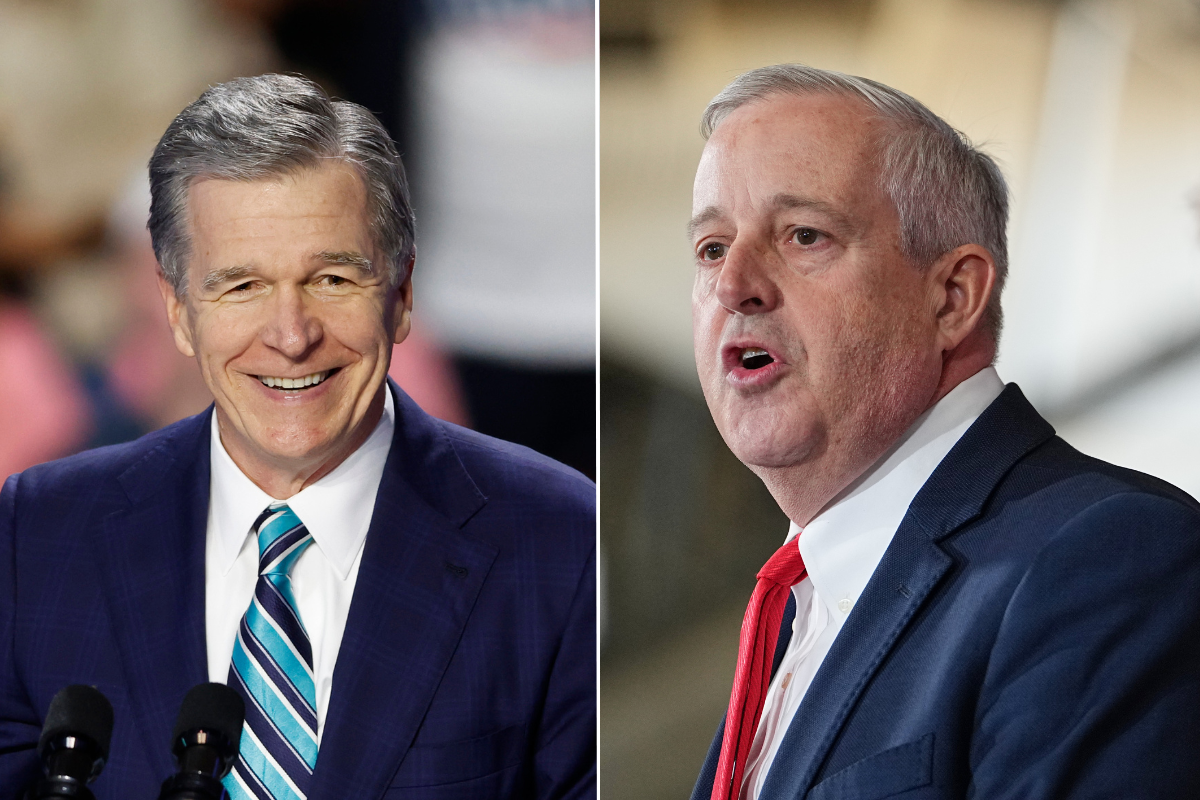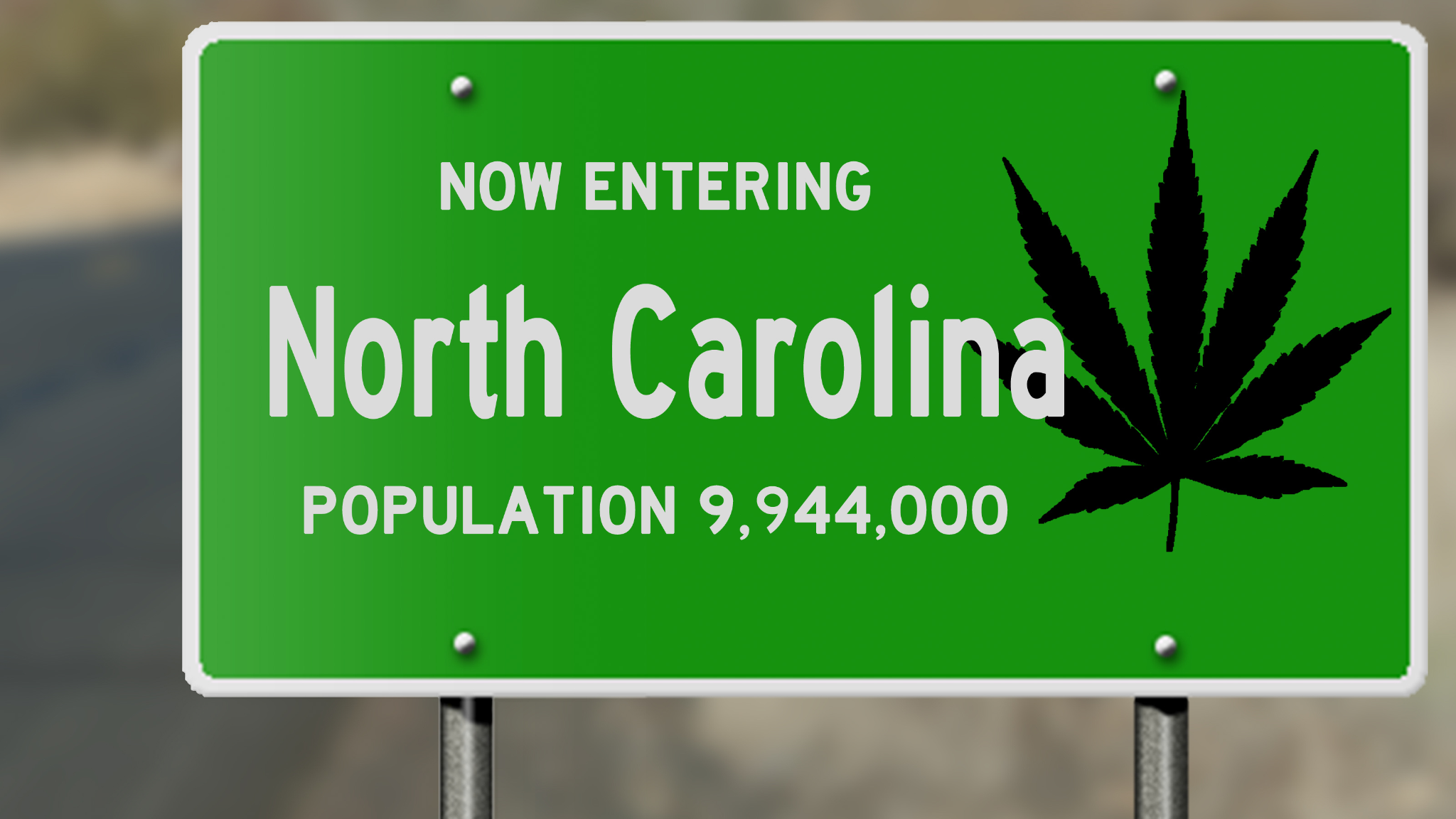
In April 2026, the North Carolina Advisory Council on Cannabis recommended that lawmakers set a path for the legalization of marijuana for adults. Two top Republican lawmakers are continually pushing back on such legislation, resurfacing marijuana debates in Raleigh.
Read MoreIn the decades following Apollo, the absence of a clear rival to the United States has reduced the urgency of lunar exploration, while domestic priorities focused on lower-cost missions in low Earth orbit made sustained investment in Moon expeditions difficult. In the 2020s, however, China’s growing space capabilities have reintroduced external pressure, creating the conditions under which multiple administrations have supported a consistent lunar strategy.
Read MoreOn March 3, voters cast their ballots for the North Carolina and Texas primaries, with heated races for both Democratic and Republican candidates. These primary elections have been among the most closely watched across the states, as incumbents, former state officials, and left and right-leaning challengers gear up for the November midterms. In Texas and North Carolina, Democratic results have raised major questions about party values, with Chapel Hill’s own District Four as a prime example.
Read MoreWhether the next generation of North Carolina students inherit the same opportunities may depend less on their ambition, which is plainly there, and more on decisions being made in Washington right now, far closer to home than the Moon.
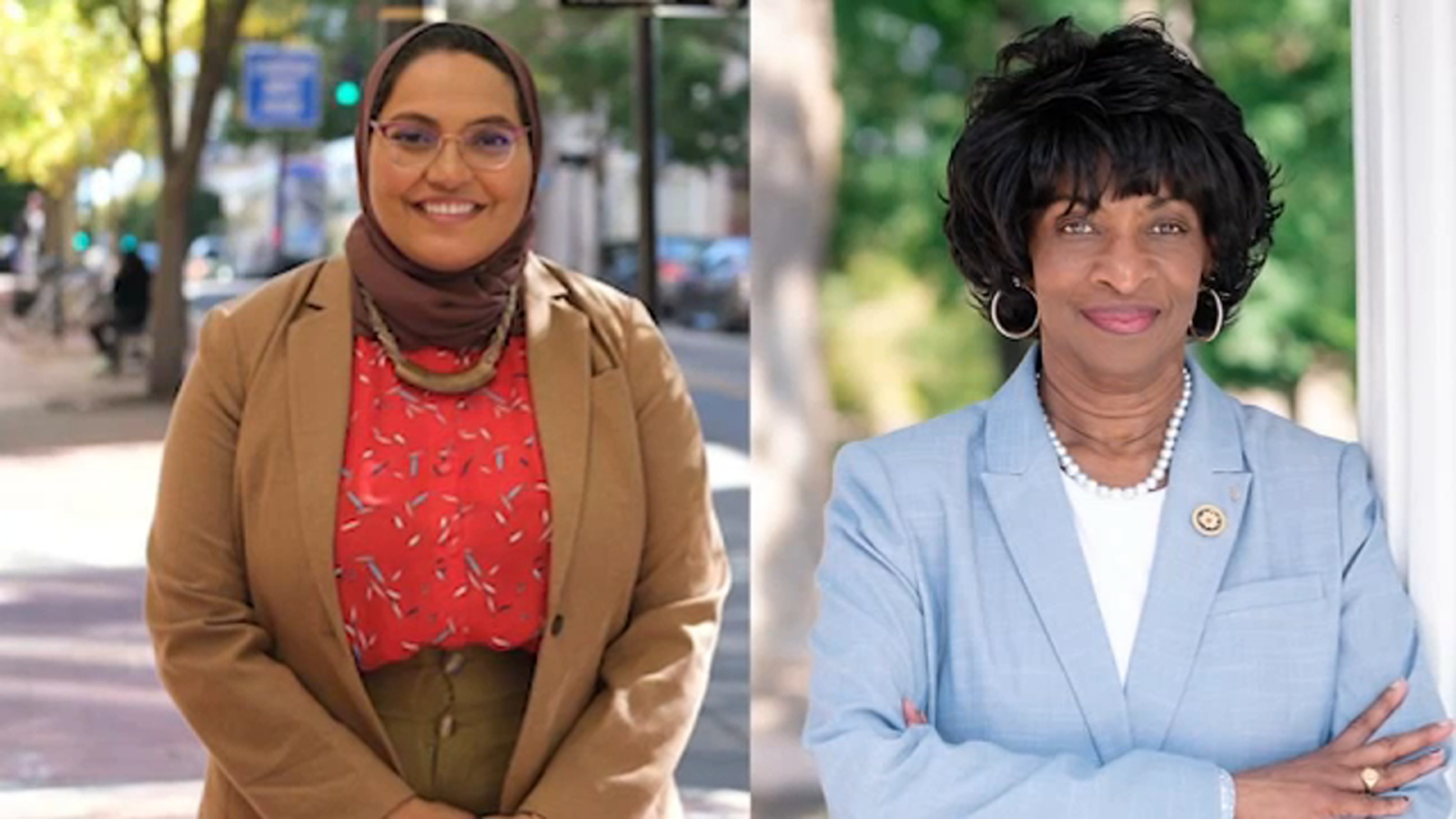
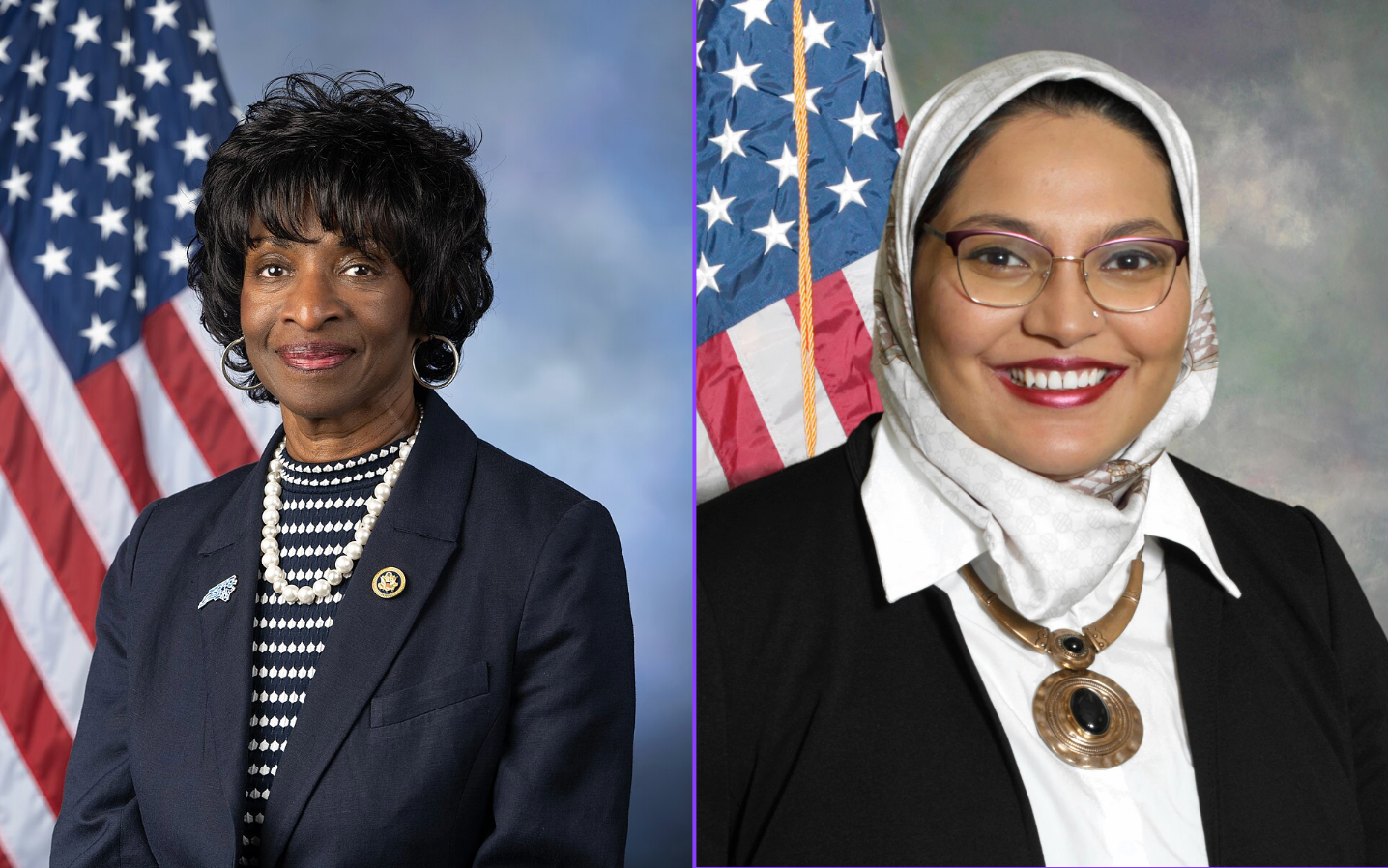
Read MoreVoters in North Carolina’s Fourth Congressional District, including Durham and Chapel Hill, have chosen Representative Valerie Foushee as the incumbent in a controversial primary against County Commissioner Nida Allam. Claims of dark money, misshapen foreign policy, and AI funding shaped the outlook of this race, prompting national interest in the outside groups and super PACs that played a role.
Read MoreWith Emergency Use Authorizations rescinded for COVID-19 boosters, responsibility for vaccinating the public now falls to the states. Some, including North Carolina, are attempting to expand access; others are not.
Read MoreFollowing the devastation of Hurricane Helene, President Trump claimed that FEMA’s efforts were “a disaster.” This statement is not entirely false, as FEMA undoubtedly needs reform. Hurricane Helene was a true test of the organization’s capabilities, and it ultimately failed. However, the solution does not lie in abolishing the whole organization, as this will not make disaster relief any more efficient, much less equitable.
Read MoreOne of the most polarizing races on North Carolina’s ballot this year is the fight for Superintendent of Public Instruction, the chief administrative officer for the state’s public school system. Mo Green, the Democratic candidate, is the former Superintendent of Guilford County Schools. Michele Morrow, the Republican nominee, is a registered nurse from Cary who homeschooled her children, running on a platform of parental rights, a reorganization of educational institutions and funding, and opposition to critical race theory.
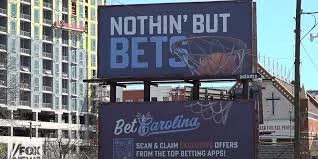
Read MoreWith 3 Atlantic Coast Conference teams from NC in the Sweet Sixteen combined with legalized sports betting, revenue was pouring in for the state. The NC Education Lottery Commission released early projections of revenue generated from sports betting and the numbers included $141 million paid out in winnings and a $42.7 million dollar “gross wagering revenue,” of which the state gets an 18% cut in taxes.
Read MoreUnaffiliated voters are now the largest voting block in North Carolina, with Democratic voter share beginning to shrink. But what does this mean for the upcoming 2024 election?
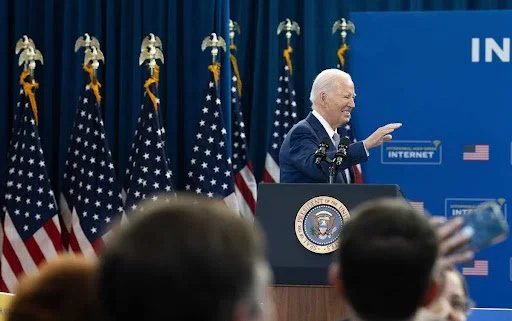
Read MoreNorth Carolina is a presidential battleground, going red in every election since 1980—except for 2008 when Barack Obama won the state. President Joe Biden believes he can win over states like North Carolina as the 2024 presidential election approaches.
Read MoreWhile it is unclear whether Robeson County will remain conservative for the foreseeable future, given the Republican Party’s embrace of former President Trump and their committed investment in Robeson, it seems Republicans can count on winning Robeson in the next election.
Read MoreIt may seem like North Carolina is working harder than the devil to disenfranchise voters with one or multiple marginalized identities. Though when everything’s said and done, the efforts will backfire.
Read More“With the recent announcement from the White House and an increasing number of states legalizing marijuana, North Carolinians are left wondering about the future of marijuana legalization in their state. While both Governor Roy Cooper and Attorney General Josh Stein have voiced their support for legalization of marijuana, the ultimate decision lies in the hands of North Carolina’s Republican-controlled state legislature.“
Read More“The dispute currently playing out is no isolated incident, but rather the most recent episode in a decades-long fight against a discriminatory system that speaks to broader questions about who bears the burden of ecological crises and the fight against climate change.”
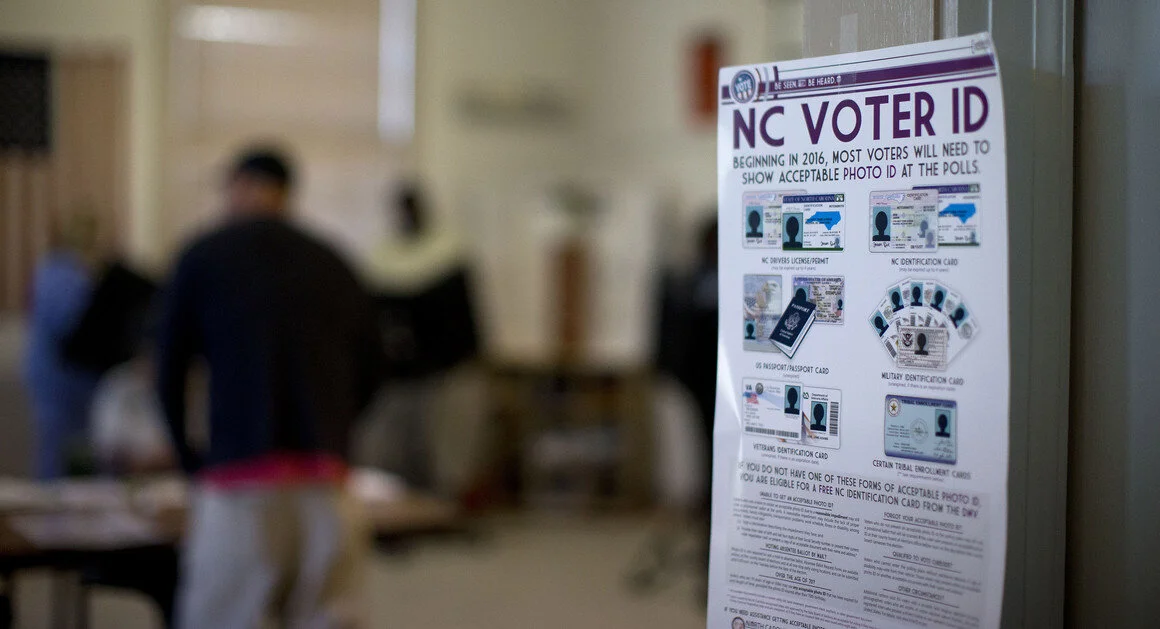
Read More“A three-judge panel recently struck down North Carolina Senate Bill 824, a law enacting a photo voter ID requirement, saying that it would unfairly target Black voters and is therefore unconstitutional. How did we get here and what is next for voter ID requirements in the Tar Heel State?”
Read More“Cooper’s claim that the bill [regarding protests] is an attempt to deter people from exercising their constitutional rights is highlighted by the timing of the bill’s introduction during a wave of protests in which many of the participants were African-American, alongside the fact that Republicans have passed legislation considered discriminatory against African-Americans before.”
Read More“While the 2020 elections were monumental for a number of reasons, the Republican victories in North Carolina’s legislature have given the party the opportunity to shape the state’s politics for the next ten years.”
Read More“The town hall, which was held in the Pit at UNC-Chapel Hill and directed at student journalists, is one of several events throughout Beasley’s campaign to connect to North Carolina college students.”
Read More“In examining the bills, the impact of input by pro-law enforcement organizations like the North Carolina Sheriffs’ Association (NCSA) is evident. For example, while HB 436 mandates mental health awareness training for officers, it requires only two hours of training every three years – hardly a step up from the previous requirements, and a win for the NCSA in maintaining the status quo.”
Read More