New Japan-U.S. Framework Secures Critical Minerals Amid Rising China Tensions

On October 28, Japan’s new Prime Minister Sanae Takaichi and United States President Donald Trump established the United States-Japan Framework For Securing the Supply of Critical Minerals and Rare Earths through Mining and Processing. The framework not only channels billions in joint U.S.–Japan investment to diversify critical mineral supply chains and rebuild high-value industries like magnet manufacturing, but also tightens their political alignment into a more unified bloc that reduces China’s leverage over global technology and security.

Read More

Building for Whom? The Moral Blind Spot in the Democrats’ Abundance Vision

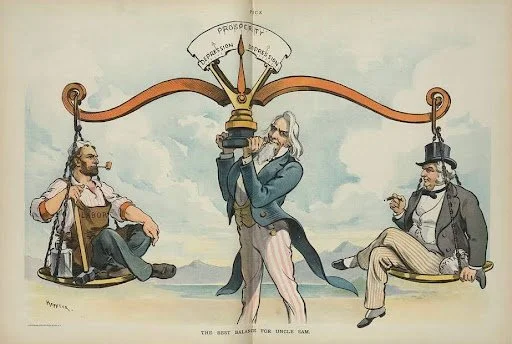
In the wake of the pandemic, a new debate has taken hold within the Democratic Party, one that questions whether America’s future lies in building more or regulating less. As journalists Ezra Klein and Derek Thompson argue in their 2025 book Abundance, the nation’s greatest obstacles are soaring housing costs and aging infrastructure, which stem not from scarcity of funds but from an excess of regulation. Yet, while the call to build more promises a sense of renewal, it also revives past projects that displaced communities. The Abundance movement has thus split the Democrats, prompting the question: Can America construct its future without losing sight of the moral underpinnings of progress?

Read More
Rewriting the Past: The Return of Confederate Monuments Under Trump

By honoring disgraced figures like Albert Pike while silencing the stories of historically marginalized groups, Trump intends to alter the story of the United States into a nation that is based on nostalgia for a glamorized past, rather than accountability. The administration’s campaign to “restore truth and sanity” risks normalizing an idealized version of history that completely erases the oppression of marginalized groups and distorts the legacy of those who fought for freedom and equality for all Americans.

Read More
Ten Years Later, America Doesn’t Need to Revisit the Marriage Debate

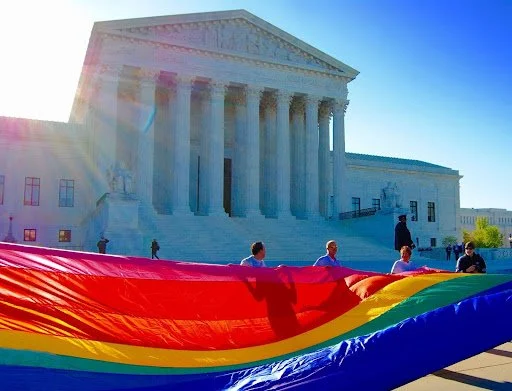
On November 7th, the Supreme Court will privately decide whether to hear the appeal of former Kentucky County Clerk Kim Davis, who refused to issue marriage licenses to same-sex couples in 2015 after the Court’s landmark decision in Obergefell v. Hodges. But after nearly a decade of Obergefell, the Court’s consideration of Davis’ case threatens to reopen a battle that many Americans had already considered resolved. Revisiting or weakening Obergefell would not only destabilize the progress America has made but also erode the very principle of equal justice under the law.

Read More
Russia's Nuclear Signaling: Moscow's Messaging in the Burevestnik Tests

Russia's late October announcement of successful nuclear weapons tests came days after Trump cancelled the Budapest summit and sanctioned major Russian oil companies. The timing reveals these tests as strategic signaling designed to fracture Western unity on Ukraine while positioning Russia as an indispensable nuclear power that cannot be isolated or ignored.

Read More
Trump and Hegseth Push Overhaul of U.S. Military, Raising Questions of Power and Purpose

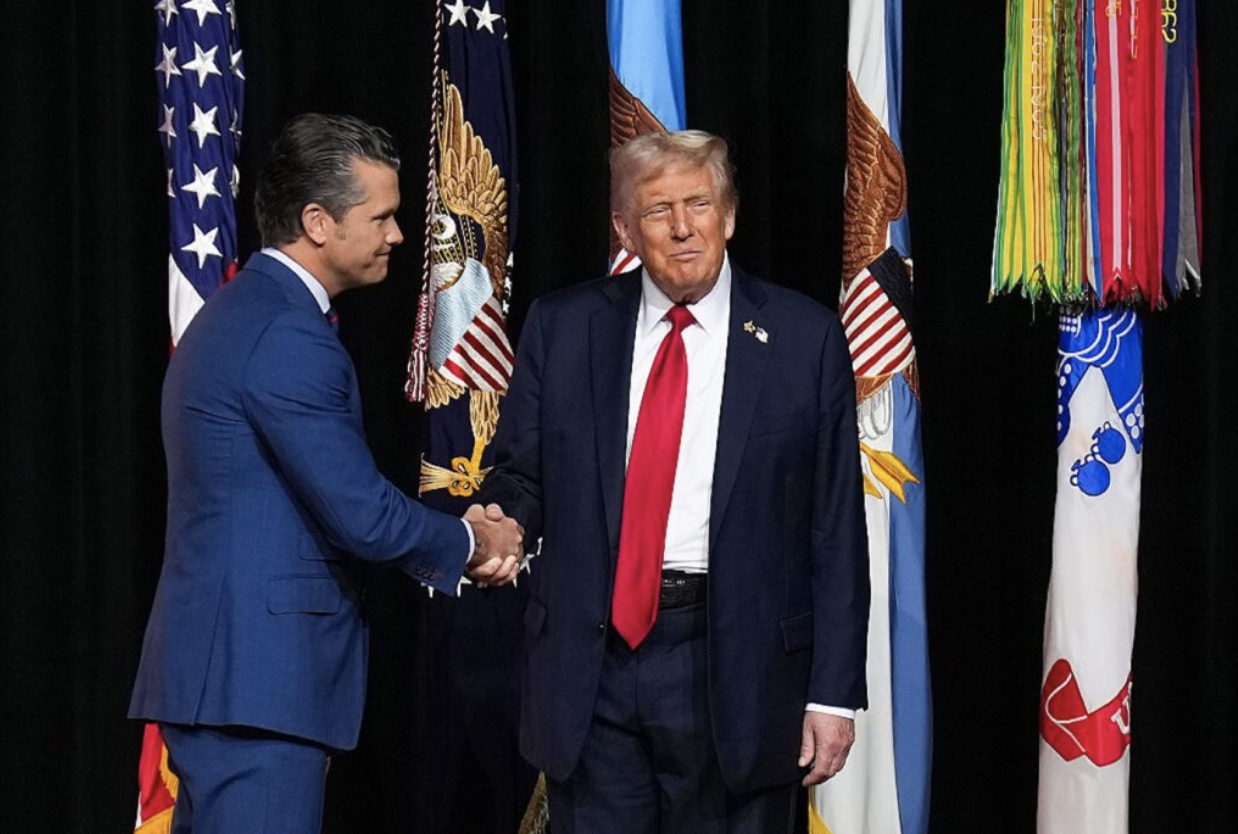
Trump and Hegseth have repeatedly claimed that military leaders are prioritizing administrative concerns and “woke” personnel policies over readiness, combat effectiveness, and national security. By redirecting military resources toward domestic presidential priorities, the administration says it is correcting what it views as years of misaligned spending and leadership.

Read More
AI Regulations: In Preparation for the Rubicon

International cooperation is a must to avoid a nuclear-arms-esque race to the bottom of AI regulations, or an “AI Non-Proliferation Treaty,” if you will. History has shown that whenever a technological advancement has the potential to cause harm, it often does. Recognizing the veritable downsides of AI can help the world get ahead of the eight-ball, maximize the merits of innovation, and mitigate the perils.

Read More
Thanksgiving is a Story of Survival, Resilience, Unity, and Community

The concept of Thanksgiving in modern-day America is about parades, watching American football, and family meals; however, it does evoke the memory of the past violence, displacement, and dispossession that are less talked about for Native Americans. As an International student, I never completely understood the meaning of American Thanksgiving until I realized that life is not about living in the past, but learning from the past, moving on and being thankful for what we have.

Read More
Gridlock in Washington: The Partisan Divide Over America’s Budget

Ultimately, the federal government shutdown is not merely a failure to pass a budget but about two conflicting visions for America’s role in the lives of its citizens: one centered on public welfare, and the other on fiscal restraint. While both parties are at a stalemate, the burden lies on the shoulders of working-class Americans who rely on federal support to make ends meet.

Read More
From Portland to Chicago: How Courts are Shaping Trump’s National Guard Agenda

With the case before the Supreme Court, the consequences of Trump’s National Guard deployment have culminated in a tumultuous moment. The Court’s ruling will, ultimately, shape how future presidents intervene in domestic affairs. Until then, the growing tensions between Washington and state leaders undermine the delicate balance between executive and local power.

Read More
Foreign Aid: An Ever-Failing Yet Highly Valuable Quest

Foreign aid remains a lifeline for many countries in the Global South that rely on external help to cover basic human needs such as clean water, food, and healthcare, that are often subject to violent conflict. But despite its imperfections, foreign aid remains one of humanity’s most meaningful collective actions against the ills in the world.

Read More
Access Denied: North Carolina Congressional Bill Bars Medicaid Use at Planned Parenthood Clinics

The N.C. Senate recently passed House Bill 192, which would prevent the DHHS from allowing patients to use Medicaid at Planned Parenthood clinics in North Carolina. This is a highly polarizing issue, with some in favor of the organization’s defunding. Others, such as Planned Parenthood leader Paige Johnson, argue that this could have serious implications for patients in low-income or underserved areas. Medical services impacted, if the bill is enacted, could include cancer screenings, STI tests, and contraceptive access.

Read More